

Adult Circumcision in Singapore

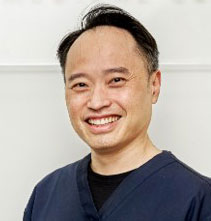
Dr Tan Kok Kuan
Men’s Health & Sexual Health Doctor
MBBS (S’pore), Cert. Men’s Health, Cert. Clinical Dermatology,Member, Academy for Men’s Health (Singapore)Member, Singapore Association for the Study of ObesityMember, International Society of Sexual Medicine
Circumcision refers to the surgical removal of the foreskin. At our clinic in Singapore, we offer a range of circumcision techniques, including laser, Shang Ring, stapler and conventional methods.
We are able to recommend the most suitable approach for your needs, whether for medical reasons or to achieve your preferred outcome.
Why Is Circumcision Done?
There are several common reasons why a doctor would recommend a circumcision:
- Recurrent infections of the foreskin
Some men experience repeated foreskin infections, especially if they have diabetes or are on certain diabetes medications. Circumcision can reduce the risk of these infections happening again.
- Foreskin that is too tight (phimosis)
When the foreskin is too tight to pull back comfortably, it can cause pain, infections or affect sexual activity. Circumcision offers a permanent solution.
- Foreskin stuck behind the head of the penis (paraphimosis)
Paraphimosis is a medical emergency where the position of the foreskin cuts off blood flow and causes swelling. Circumcision prevents it from happening again.
- Inflammation of the head of the penis (balanitis)
Some skin conditions cause redness, irritation or soreness of the glans (head of the penis). Circumcision may help in recurrent or severe cases.
- Warts of the foreskin
Warts caused by the human papillomavirus (HPV) can be difficult to treat if they appear on the foreskin. Removing the foreskin may be necessary.
- To improve sexual function
In some cases, circumcision can relieve discomfort and improve sexual satisfaction, especially when an individual is experiencing problems linked to foreskin tightness.
Other Reasons for Circumcision
Apart from medically recommended circumcision, individuals may choose to undergo the procedure for various reasons:
- Personal preference
This can include aesthetic reasons, a desire for better hygiene or it may be a family tradition.
- Cultural or religious practice
Circumcision is a traditional or religious rite in many cultures and faiths, such as Jewish and Islamic communities.
- Elective health benefits
Some opt for circumcision to potentially lower risks of infections or other health issues, even if they have not been deemed susceptible to them.
What Are the Benefits of a Circumcision?
Circumcision may provide several hygiene and health benefits, although their relevance varies according to age, health and individual circumstances.
Easier Hygiene
Removing the foreskin can make the penis easier to clean and reduce the accumulation of bacteria and other substances beneath it.
Prevention of Foreskin-Related Conditions
Circumcision prevents foreskin-specific conditions such as phimosis and paraphimosis. It may also be considered for recurrent balanitis or other problems affecting the foreskin.
Lower Risk of Urinary Tract Infections
Circumcision is associated with a lower risk of urinary tract infections, although this benefit is most relevant during infancy and early childhood.
Reduced Risk of Certain Sexually Transmitted Infections
Circumcised men may have a lower risk of acquiring certain sexually transmitted infections, including HIV and HPV. However, circumcision does not provide complete protection and should be combined with safer sex practices.
Lower Risk of Penile Cancer
Circumcision is associated with a lower risk of penile cancer, although this cancer is rare. Its association with reduced HPV transmission may also provide some protection against HPV-related disease.
Have Questions About Adult Circumcision?
Your reasons for considering a circumcision may vary in scope and sensitivity. Our doctor can discuss these concerns with you, assess whether circumcision may be appropriate and walk you through the available techniques, recovery and possible risks before you make a decision.
What Factors Should You Consider Before Circumcision?
Before undergoing a circumcision, it is important to consider several factors:
Why Are You Considering Circumcision?
Adult circumcision may be considered for the reasons stated above, or your own personal circumstances. Discussing your reasons and expectations with a doctor can help determine whether circumcision is appropriate and what it may realistically achieve.
Are You Medically Suitable for the Procedure?
Your general health, existing foreskin condition, medications and previous procedures may affect how circumcision is planned. A doctor will assess these factors and discuss which techniques may be suitable for you.
What Should You Expect During Recovery?
Recovery involves allowing the wound to heal and temporarily avoiding activities that could place pressure on the area. Your doctor should explain wound care, expected healing time, activity restrictions and signs that require medical attention.
How Much Does Adult Circumcision Cost?
The cost can vary according to the technique, clinical circumstances and care provided. Whether insurance or MediSave can be used may depend on the medical indication and applicable claim requirements, so eligibility should be confirmed with the clinic and provider.
A consultation gives you an opportunity to discuss these factors before choosing whether to proceed.
How Is Circumcision Performed?
Male circumcision is usually quick and well-tolerated; the procedure itself typically takes around 5–15 minutes. Procedure time varies according to the method used and the individual case. Circumcision generally involves consultation and planning, anaesthesia, foreskin removal, wound closure and immediate aftercare.
Pre-Procedure Consultation
Dr Tan will assess your foreskin, discuss your reasons for circumcision and recommend a suitable method. You can also discuss preferences such as a tighter or looser result and the amount of inner foreskin retained.
Preputioplasty or limited circumcision may be discussed if full circumcision is not required or preferred.
During the Procedure
Anaesthesia is administered before the foreskin is removed using the agreed method. The wound is then closed using the applicable device, sutures or tissue glue.
Immediate Post-Procedure Care
After the procedure, you will receive instructions on wound care, discomfort, activity restrictions and follow-up. Recovery varies according to the method used and individual healing.
What Circumcision Methods Are Available?
Our clinic offers several circumcision techniques, each with different practical advantages. The ideal circumcision method is selected according to your anatomy, reason for circumcision and preferred outcome.
Conventional Circumcision
The doctor marks the amount of foreskin to be removed before making the incisions with surgical instruments. The foreskin is cut away, bleeding is controlled and the remaining skin edges are closed with dissolvable sutures or tissue glue.
Why choose it: This method gives the doctor direct control over the position of the incision and amount of skin removed. It may also be more suitable where scarring, anatomy or a foreskin condition makes a ring or stapling device inappropriate.
Recovery: Dissolvable sutures commonly remain for around 2–3 weeks. Complete healing generally takes approximately 4–6 weeks.
Tissue-Glue Circumcision
During glue circumcision, the foreskin is first removed using a surgical or laser-assisted technique. The cut edges are then brought together and sealed using medical tissue adhesive instead of conventional sutures.
Why choose it: Tissue glue avoids external stitches and may reduce irritation or visible marks caused by suture material. It also removes the need for stitch removal.
Recovery: The glue forms a protective layer over the incision and usually flakes away naturally after around 5–15 days. The wound beneath it continues healing for several weeks.
ShangRing Circumcision
The ShangRing consists of two plastic rings. The inner ring is placed beneath the foreskin, while the outer ring closes around it and clamps the foreskin firmly between them. The excess foreskin is then cut away, with the pressure from the rings helping to control bleeding and hold the wound edges in position.
Why choose it: The method is suture-free, involves little cutting after the ring is positioned and generally takes less time to perform than conventional circumcision.
Recovery: The ring usually remains in place for around 7–10 days before being removed. The wound then continues healing over the following weeks, so ring removal does not mean recovery is complete.
Stapler Circumcision
A protective bell is positioned over the head of the penis and beneath the foreskin. The foreskin is drawn over the bell before the stapler is fitted around it. When activated, a circular blade removes the foreskin while a row of small staples closes the cut edges at the same time.
Why choose it: Cutting and closure take place in one step, which can shorten the procedure, reduce bleeding and produce a consistent circular incision.
Recovery: The staples usually loosen and detach as the wound heals, although remaining staples may need to be checked during follow-up. Initial healing commonly takes around 2–3 weeks, with full recovery taking longer.
Laser Circumcision
The doctor uses a laser to make the planned incisions and remove the foreskin. As the laser cuts, its heat seals small blood vessels along the incision, helping to control bleeding. The wound is then closed with sutures or tissue glue.
Why choose it: The laser allows controlled tissue removal while cutting and coagulating at the same time. This may reduce bleeding and allow the amount of foreskin removed to be adjusted.
Recovery: Initial healing may take around 1–2 weeks, but swelling and sensitivity can last longer. Patients may still need 4–6 weeks before resuming sexual activity or strenuous exercise.
Are There Possible Risks to Circumcision?
Circumcision is commonly performed and most patients recover without serious problems. However, as with any surgical procedure, some risks are possible. These risks are generally low when circumcision is performed by an experienced doctor in an appropriate clinical setting.
The clinical team takes steps to reduce complications through careful assessment, sterile technique, control of bleeding, clear wound-care instructions and follow-up support.
- Temporary swelling
- Mild pain or discomfort
- Bleeding
- Infection
- Scarring
- Sensitivity changes
Dr Tan and the clinical team will explain these risks, take precautions to minimise them and provide guidance on what to expect during recovery. Following the aftercare instructions and attending any recommended follow-up appointments can further support proper healing.
When Should You See a Doctor After Circumcision?
Mild swelling, bruising, sensitivity and small spots of blood can be expected during the early recovery period. These symptoms should gradually improve. Contact the clinic if they become worse or you develop symptoms that could indicate a complication, such as:
- Pain that is worsening or not controlled by the recommended medication
- Increasing redness, warmth or swelling around the wound
- Fever, pus or an unpleasant-smelling discharge
- Separation of the wound edges
- Difficulty or increasing discomfort when passing urine
- A ring, staple or dressing that has shifted, become embedded or is causing increasing pressure
- Swelling, sensitivity or bleeding that is not improving as advised
The clinical team can assess whether the symptom is part of normal healing or requires treatment.
Is Adult Circumcision Right for You?
Whether circumcision is appropriate depends on your reasons for considering it, the condition of your foreskin, your anatomy and your preferred outcome. The available methods differ in how the foreskin is removed, how the wound is closed and what follow-up may be required.
At Dr Tan Medical Center, care is led by Dr Tan Kok Kuan, our men’s health and sexual health doctor. With over 20 years of clinical experience, Dr Tan Kok Kuan can assess your concerns, answer your questions about the various methods available and help you decide whether circumcision and a particular technique are suitable for you.
Contact us today to find out more about circumcision.
Frequently Asked Questions (FAQs) About Circumcision
Are circumcisions painful?
What will urination feel like after circumcision?
Can I walk after circumcision?
When can I exercise after circumcision?
Can men with diabetes undergo circumcision?
How much does circumcision cost in Singapore?
Can MediSave or insurance be used for circumcision?
Our Circumcision Doctor in Singapore
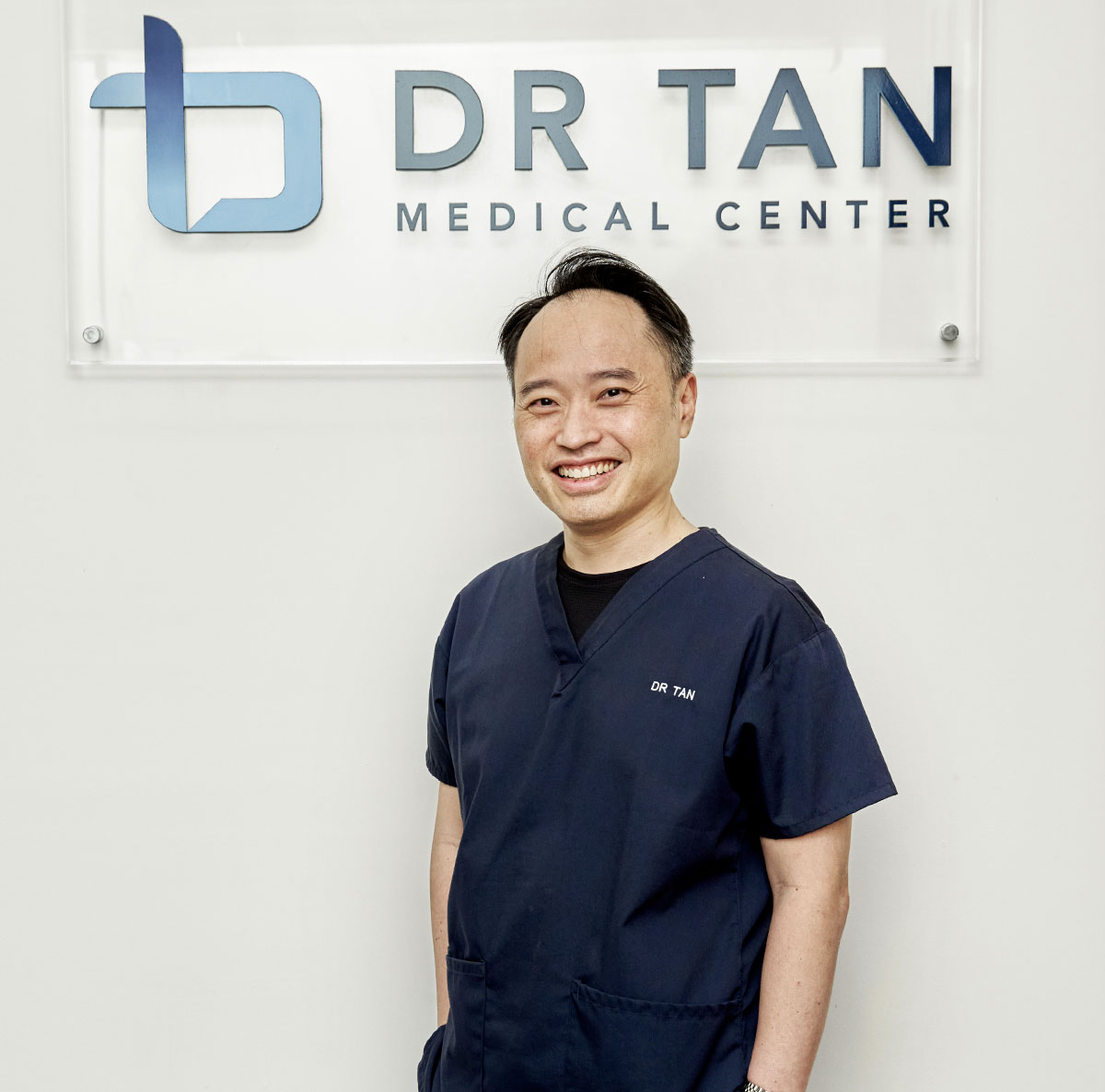
Our Circumcision Doctor in Singapore
Dr Tan Kok Kuan
Men’s Health & Sexual Health Doctor
MBBS (S’pore), Cert. Men’s Health, Cert. Clinical Dermatology,Member, Academy for Men’s Health (Singapore)Member, Singapore Association for the Study of ObesityMember, International Society of Sexual Medicine
Dr Tan Kok Kuan is an experienced doctor specializing in men's health, sexual health and medical weight loss. With over 20 years of clinical experience, he offers confidential and effective screening and treatment services. Dr Tan Kok Kuan offers circumcision procedures to address medical or personal concerns related to the foreskin in a safe clinical setting. Notably, Dr Tan was one of the key authors of Singapore’s National HIV PrEP Guidelines and the national blueprint to end HIV transmission by 2030. Dr Tan frequently speaks at local and international conferences and has been featured in the media, where he helps raise public awareness around men’s health and sexual health.
More About Dr Tan“Every patient deserves our fullest attention.”
If you have any queries, please contact us at 6513 0359 or use the contact form below.

10 Sinaran Drive #09-30, Novena Medical Centre, Singapore 307506
Tel: (+65) 6513 0359 | WhatsApp: (+65) 9750 5037
Operating Hours:
Monday to Friday: 8:30 AM to 6:30 PM
Saturday: 9:00 AM to 2:00 PM
Closed on Sundays and Public Holidays


