

HIV Testing and Screening in Singapore

Dr Tan Kok Kuan
Men’s Health & Sexual Health Doctor
MBBS (S’pore), Cert. Men’s Health, Cert. Clinical Dermatology,Member, Academy for Men’s Health (Singapore)Member, Singapore Association for the Study of ObesityMember, International Society of Sexual Medicine
HIV can remain unnoticed for months or even years, meaning a person can have the infection without knowing it. Testing provides a reliable way to determine your HIV status, particularly after a possible exposure or when other risk factors are present.
Early detection allows treatment to begin sooner if HIV is confirmed, helping to protect the immune system and reduce the risk of passing the virus to others.
What is HIV Testing / Screening?
HIV testing and screening involve checking a sample of blood or other bodily fluids for signs of HIV infection. Testing can be performed after a possible exposure or as part of routine sexual health care.
An initial screening result may indicate whether HIV could be present, while further testing may be required to confirm a positive result.
Why HIV Testing Is Important?
HIV testing is important because it can identify an infection before a person would otherwise know they have HIV. If HIV is detected, appropriate medical care and treatment can begin.
This treatment can help manage the infection and reduce the risk of HIV-related health complications. Effective treatment can also reduce the amount of HIV in the blood to an undetectable level, which prevents sexual transmission when an undetectable viral load is maintained.
How Can I Know If I Have HIV?
HIV (human immunodeficiency virus) often doesn’t cause noticeable symptoms in its early stages. Some people may experience flu-like symptoms—such as fever, fatigue, swollen lymph nodes, or skin rashes—within two to four weeks of infection. However, these signs can easily be mistaken for other common illnesses.
The only reliable way to know your HIV status is to get tested. This can be done through a simple blood test at a clinic or with a home testing kit.
Who Should Get Tested for HIV?
You should consider getting tested if you’ve been exposed to potential risk factors, such as:
Sexually Risky Activities
: Having multiple or casual partners, inconsistent condom use, or sexual contact with commercial sex workers.Uncertainty About Partner's History
: If you are unsure about your partner's sexual history or have recently changed sexual partners.Shared Needles or Unhygienic Procedures
: If you have shared needles or sharp objects, or undergone piercing or tattooing using unsterilised equipment.Blood Transfusions or Surgery Overseas
: Receiving blood transfusions or undergoing surgery in countries with less stringent safety regulations.Pregnancy or Planning a Pregnancy
: HIV testing is recommended before pregnancy even if you do not have known risk factors. Detecting HIV allows treatment to begin promptly and steps to be taken to reduce the risk of passing the virus to the baby during pregnancy, delivery or breastfeeding.
Early detection and treatment of HIV are vital for preventing the progression to AIDS. If you think you may be at risk, speak with your doctor about getting tested.
Get Clarity About Your HIV Status
If you are concerned about HIV, testing can give you a clear answer rather than leaving you uncertain about your status. Dr Tan Medical Center offers confidential HIV screening for those seeking reassurance, routine testing or testing following a possible exposure.
How Do HIV Tests Work in Singapore?
HIV tests look for different markers of infection in the blood, including antibodies produced by the immune system, HIV antigens or the virus’s genetic material. These markers become detectable at different stages after infection, which is why the appropriate test can vary depending on when a possible exposure occurred and why timeframes matter for testing.
The main types of HIV tests include:
- HIV Antibody Test (ELISA Test): This test detects antibodies produced by the immune system in response to HIV. As the body needs time to produce detectable levels of antibodies, they are not usually present immediately after infection.
- HIV 4th Generation Test (HIV Combo): This test detects both HIV antibodies and the p24 antigen, a protein associated with HIV. Detecting two different markers allows the test to identify infection earlier than tests that look for antibodies alone.
- HIV RNA Polymerase Chain Reaction (PCR) Test: Rather than relying on the body’s immune response, this test looks directly for HIV genetic material in the blood. This can allow infection to be detected at an earlier stage after exposure.
Some clinics also offer rapid HIV testing, which can provide results within a shorter period, while HIV self-test kits allow individuals to perform an initial test privately.
What Is the Right Timeframe to Get Tested for HIV?
Different tests can detect HIV at different stages, so testing too early may not provide a conclusive result.
The timeframe since possible exposure can help determine the next step:
- Less than 3 days ago: Speak with a doctor as soon as possible about HIV post-exposure prophylaxis (PEP). PEP is used after a possible exposure to reduce the risk of HIV infection and needs to be started promptly.
- 10–28 days ago: An HIV RNA PCR test may be used during this earlier period after exposure because it can detect HIV sooner than antibody-based tests.
- 28–90 days ago: A 4th generation HIV test, also known as an HIV Combo test, can be used during this period. Your doctor can advise whether further testing is required based on when the exposure occurred and your initial result.
- More than 90 days ago: Antibody-based HIV testing can be used to determine your HIV status following an exposure that occurred more than three months ago.
What Happens During an HIV Test?
Knowing what to expect can make arranging an HIV test feel more straightforward. While the exact process can vary depending on the test used, an appointment generally involves the following steps:
1. Booking Your Appointment
You can contact the clinic to arrange an HIV testing appointment.
2. Discussing Your Situation With the Doctor
During the consultation, the doctor may ask you for your reason for testing, when a possible high-risk exposure occurred and other relevant factors. This information helps determine which test is appropriate and whether enough time has passed for it to provide a reliable result.
3. Providing a Sample for Testing
A sample will then be collected according to the type of HIV test being performed. This commonly involves a finger-prick or blood sample drawn from a vein. The sample may be tested at the clinic or sent to a laboratory.
4. Waiting for Your Results
Some rapid tests can provide results during the same visit, while laboratory-based tests can take longer. The clinic can let you know when and how your result will be provided, as well as when to return for a follow-up.
5. Reviewing Your Results and Next Steps
Once your results are available, the doctor can explain what they mean and whether any further testing is required. If HIV is confirmed, you can discuss the next steps for medical care and treatment. If the result is negative but the test was performed within the relevant window period, you may be advised to repeat testing at a later date.
Where Can I Get Tested for HIV in Singapore?
Knowing your HIV status can give you clarity about your health and help you take the appropriate next steps, whether that means no further action, repeat testing after the window period or accessing care if HIV is detected. If you have had a possible exposure or are unsure whether you should be tested, arranging a medical consultation can help you determine the appropriate test and timing.
At Dr Tan Medical Center, HIV screening is provided in a private and discreet setting by Dr Tan Kok Kuan, who has over 20 years of clinical experience in men’s and sexual health. He provides clear guidance throughout the testing process, from assessing your circumstances and selecting an appropriate test to explaining your results and what they mean for your next steps.
Book an appointment for HIV testing and discuss your concerns with Dr Tan.
Frequently Asked Questions About HIV Testing in Singapore
Do I need an appointment for an HIV test?
How often should I get tested for HIV?
What is the HIV window period?
What happens if you test HIV positive in Singapore?
What should I do if I test positive for HIV?
Our HIV Screening Doctor in Singapore
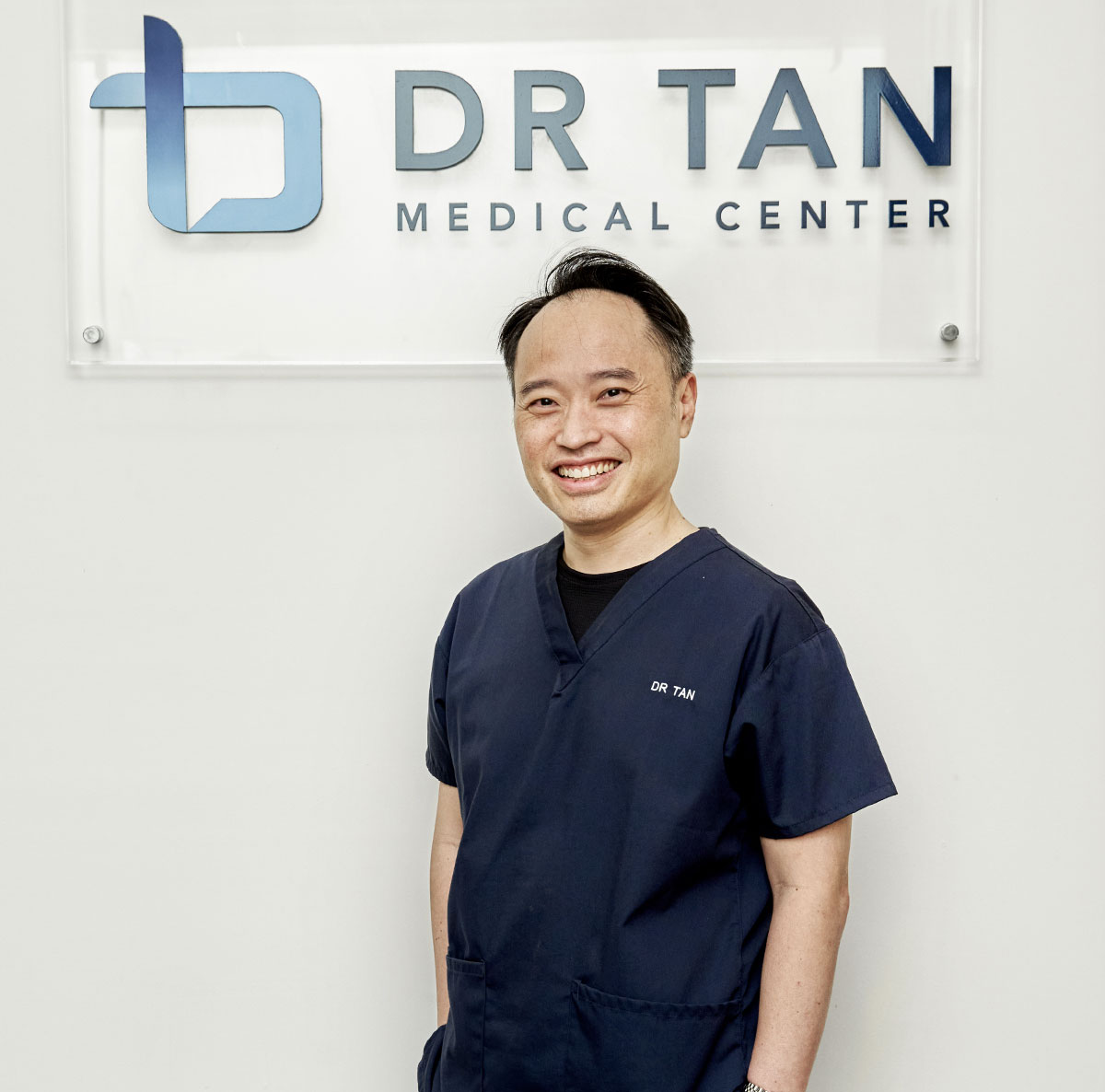
Our HIV Screening Doctor in Singapore
Dr Tan Kok Kuan
Men’s Health & Sexual Health Doctor
MBBS (S’pore), Cert. Men’s Health, Cert. Clinical Dermatology,Member, Academy for Men’s Health (Singapore)Member, Singapore Association for the Study of ObesityMember, International Society of Sexual Medicine
Dr Tan Kok Kuan is an experienced doctor specialising in men's health, sexual health and medical weight loss. With over 20 years of clinical experience, he offers confidential and effective screening and treatment services. Notably, Dr Tan was one of the key authors of Singapore’s National HIV PrEP Guidelines and the national blueprint to end HIV transmission by 2030. Dr Tan frequently speaks at local and international conferences and has been featured in the media, where he helps raise public awareness around men’s health and sexual health.
“Every patient deserves our fullest attention.”
If you have any queries, please contact us at 6513 0359 or use the contact form below.

10 Sinaran Drive #09-30, Novena Medical Centre, Singapore 307506
Tel: (+65) 6513 0359 | WhatsApp: (+65) 9750 5037
Operating Hours:
Monday to Friday: 8:30 AM to 6:30 PM
Saturday: 9:00 AM to 2:00 PM
Closed on Sundays and Public Holidays


