

What's the Difference Between HIV and AIDS?
Blog

Dr Tan Kok Kuan
Men’s Health & Sexual Health Doctor
MBBS (S’pore), Cert. Men’s Health, Cert. Clinical Dermatology,Member, Academy for Men’s Health (Singapore)Member, Singapore Association for the Study of ObesityMember, International Society of Sexual Medicine
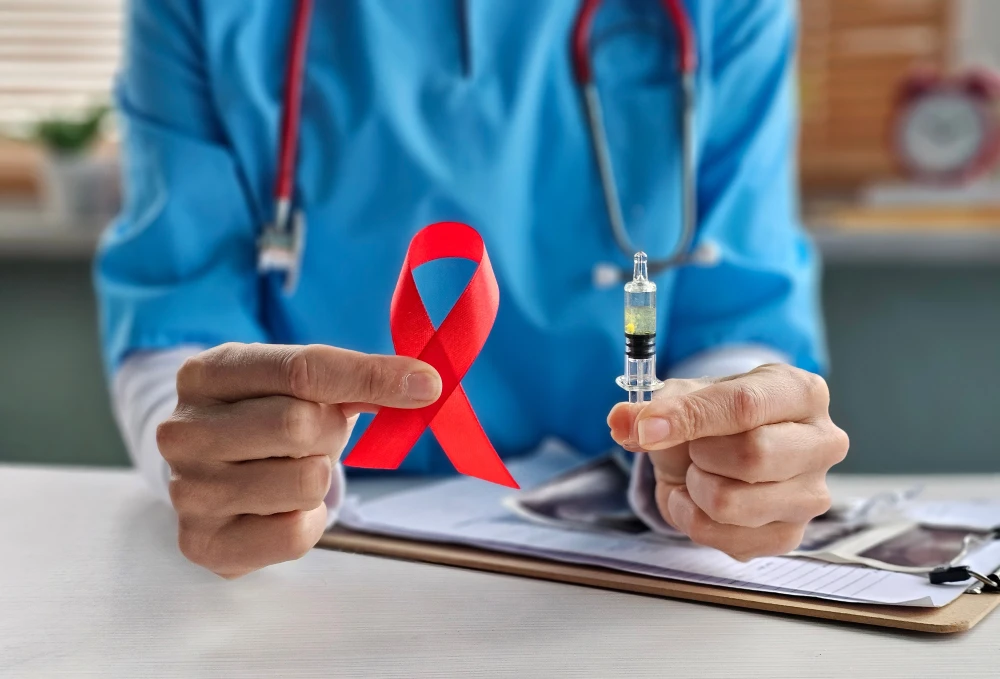
Human Immunodeficiency Virus (HIV) and Acquired Immunodeficiency Syndrome (AIDS) are closely related, but they are not the same. HIV is the virus that attacks the immune system, while AIDS is the most advanced stage of untreated HIV infection.
The two terms are often used interchangeably because AIDS develops as a result of untreated HIV. Thanks to modern treatment, many people living with HIV never develop AIDS and are able to maintain good long-term health.
However, understanding the difference remains important for recognising how HIV affects the body, why early diagnosis matters and how timely treatment can prevent disease progression.
Key Takeaways
- HIV and AIDS are not the same. HIV is the virus that attacks the immune system, while AIDS is the most advanced stage of untreated HIV infection.
- Untreated HIV can progress to AIDS over time, but early diagnosis and treatment can prevent this in most people.
- Antiretroviral therapy (ART) suppresses HIV replication, preserves immune function and helps reduce the risk of HIV progressing to AIDS.
- An HIV clinic provides prevention, testing, treatment and long-term monitoring, including services such as PrEP, PEP and ART to support ongoing HIV care.
Can HIV Progress to AIDS?
Yes, untreated HIV can progress to AIDS, but effective treatment can prevent this in most people.
After a person acquires HIV, the virus gradually attacks CD4 cells, a type of white blood cell that plays a key role in the immune system. Without treatment, ongoing damage to these cells weakens the body’s ability to fight infections and certain cancers.
As the immune system becomes increasingly compromised, a person may eventually develop AIDS. Rather than being a separate disease, AIDS is a clinical diagnosis made when HIV has caused severe immune suppression or when specific opportunistic infections or AIDS-defining illnesses develop.
For this reason, early HIV detection and treatment remain among the most important steps in protecting long-term health, as the risk of progression increases the longer HIV remains untreated.
How Long Does It Take for HIV to Progress to AIDS?
Without treatment, HIV often progresses to AIDS over several years, although the timeline varies considerably between individuals.
The rate of progression depends on factors such as a person’s age, overall health, immune response and the presence of other medical conditions or infections. While some people experience faster disease progression, others may remain symptom-free for many years despite ongoing damage to their immune system.
Even in the absence of noticeable symptoms, HIV continues to replicate and gradually reduce CD4 cell counts. As a result, a person may feel well while the immune system is becoming progressively weakened. This is why HIV testing is recommended after potential exposure or for individuals at higher risk, rather than waiting for symptoms to develop.
Fortunately, this natural progression can be interrupted with timely diagnosis and treatment before HIV advances to AIDS.
Can HIV Treatment Prevent AIDS?
Yes. Early diagnosis and consistent antiretroviral therapy (ART) can prevent HIV from progressing to AIDS in most people. ART does this by suppressing replication of the virus, allowing the immune system to preserve or rebuild its CD4 cell count. When treatment is started promptly and taken as prescribed, many people living with HIV achieve an undetectable viral load and maintain healthy immune function for the long term.
In addition to preventing progression to AIDS, effective treatment reduces the risk of opportunistic infections and other HIV-related complications.
To remain effective, ART should be taken consistently and supported by regular follow-up appointments. These visits allow doctors to monitor viral load, assess immune recovery and ensure treatment continues to work as intended over time.
When Should You Visit an HIV Clinic?
You should visit an HIV clinic as soon as you become aware of a potential HIV exposure, if you develop symptoms suggestive of HIV or if you receive a positive HIV test result. Some preventive treatment options are only effective within a limited time frame, making early assessment and HIV testing important.
An HIV clinic provides more than testing alone. Depending on your situation, the doctor will assess your risk of exposure, discuss your medical history and recommend appropriate investigations or treatment. If HIV infection is confirmed, further tests may be performed to evaluate your immune function and viral load, helping your doctor determine the most appropriate course of care.
What Support Can You Expect From an HIV Clinic?
An HIV clinic provides comprehensive care, from HIV prevention and testing to long-term treatment and monitoring. Depending on your circumstances, an HIV clinic may recommend different services to reduce the risk of HIV infection or support long-term HIV management.
If you have had a recent potential exposure to HIV, your doctor may assess whether post-exposure prophylaxis (PEP) is appropriate. PEP is an emergency course of medication that should be started as soon as possible after exposure to help reduce the risk of HIV infection.
If you are at ongoing risk of HIV exposure, your doctor may discuss pre-exposure prophylaxis (PrEP). When taken as prescribed, PrEP is a highly effective preventive medication that helps reduce the risk of acquiring HIV before exposure occurs.
For people diagnosed with HIV, antiretroviral therapy (ART) remains the cornerstone of treatment. ART suppresses HIV replication, helping preserve immune function, prevent progression to AIDS and reduce the risk of HIV transmission. Regular follow-up appointments also allow doctors to monitor viral load, assess treatment response and make adjustments where necessary to support long-term health.
Early HIV Care and Intervention at Dr Tan Medical Center
Early HIV care gives doctors the greatest opportunity to prevent HIV from progressing to AIDS while supporting long-term health through timely treatment and ongoing monitoring. With modern medical care, many people diagnosed with HIV can achieve an undetectable viral load, preserve their immune function and avoid progressing to AIDS altogether.
At Dr Tan Medical Center, we provide confidential HIV screening, prevention and treatment tailored to each individual’s needs. Led by Dr Tan Kok Kuan, our men’s health and sexual health doctor, our clinic offers evidence-based care across every stage of HIV prevention and management.
Whether you are concerned about a recent HIV exposure, would like to discuss PrEP or PEP, or require ongoing HIV treatment and follow-up, contact us today to arrange a confidential consultation with our team.
Frequently Asked Questions (FAQs) About HIV and AIDS
Can someone with HIV live a normal lifespan?
Can you have HIV without knowing it?
Is AIDS still common today?
Does HIV treatment stop the virus from being transmitted?
Our Doctor
Our Doctor
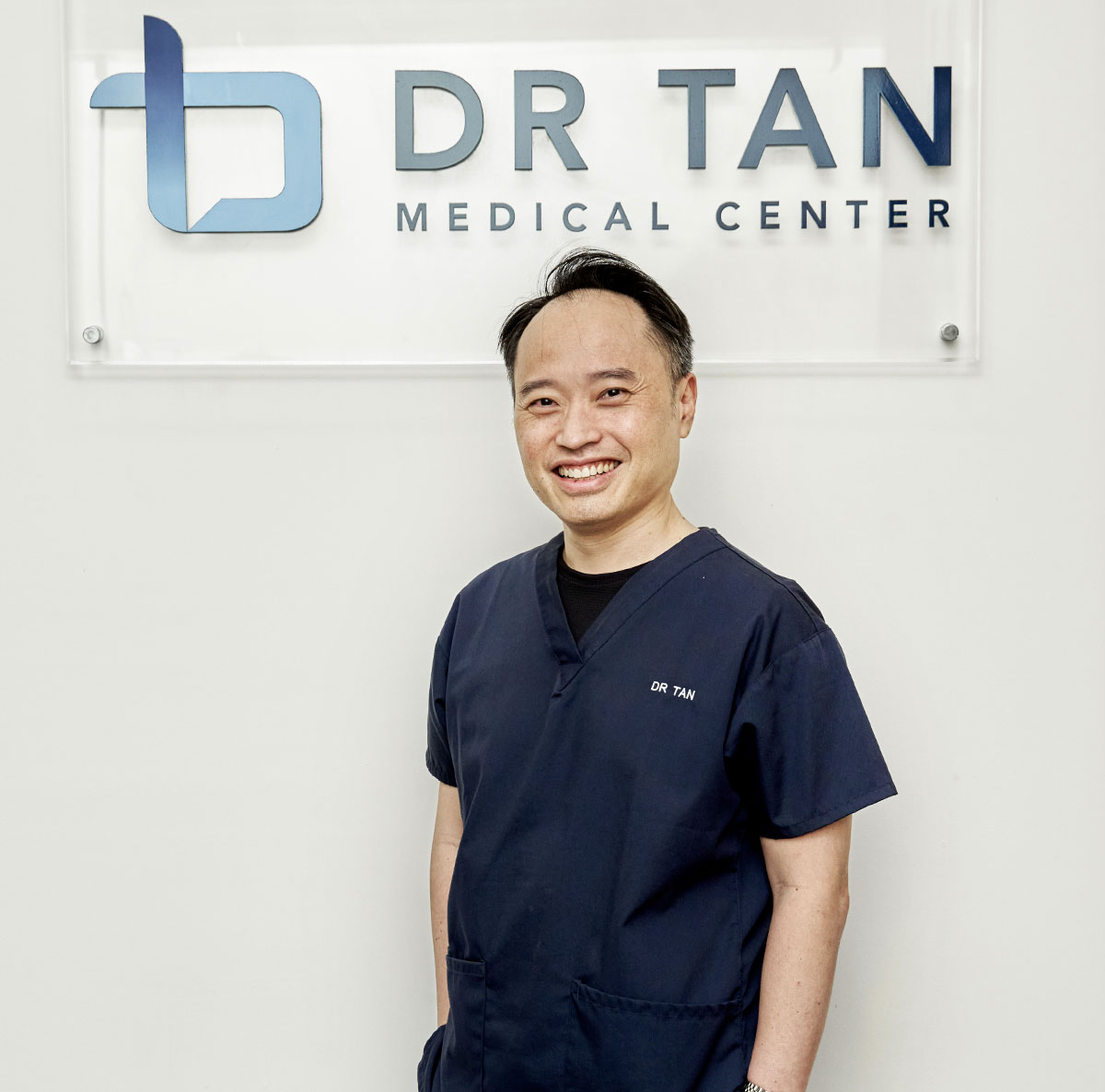
Dr Tan Kok Kuan
Men’s Health & Sexual Health Doctor
MBBS (S’pore), Cert. Men’s Health, Cert. Clinical Dermatology,Member, Academy for Men’s Health (Singapore)Member, Singapore Association for the Study of ObesityMember, International Society of Sexual Medicine
Dr Tan Kok Kuan is an experienced doctor specialising in men's health, sexual health and medical weight loss. With over 20 years of clinical experience, he offers confidential and effective screening and treatment services. Notably, Dr Tan was one of the key authors of Singapore’s National HIV PrEP Guidelines and the national blueprint to end HIV transmission by 2030. Dr Tan frequently speaks at local and international conferences and has been featured in the media, where he helps raise public awareness around men’s health and sexual health.
“Every patient deserves our fullest attention.”

10 Sinaran Drive #09-30, Novena Medical Centre, Singapore 307506
Tel: (+65) 6513 0359 | WhatsApp: (+65) 9750 5037
Operating Hours:
Monday to Friday: 8:30 AM to 6:30 PM
Saturday: 9:00 AM to 2:00 PM
Closed on Sundays and Public Holidays


