

What Are the Early Signs and Symptoms of HIV in Men?
Blog

Dr Tan Kok Kuan
Men’s Health & Sexual Health Doctor
MBBS (S’pore), Cert. Men’s Health, Cert. Clinical Dermatology,Member, Academy for Men’s Health (Singapore)Member, Singapore Association for the Study of ObesityMember, International Society of Sexual Medicine
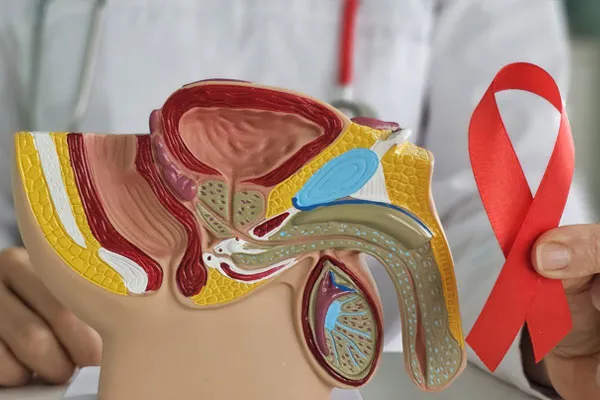
Early HIV (human immunodeficiency virus) symptoms in men usually appear 2 to 4 weeks after exposure and often resemble a flu-like illness. Common signs include fever, fatigue, sore throat, swollen lymph nodes, and body aches. Some men experience no symptoms, so testing is the only reliable way to confirm infection.
These early symptoms occur during a phase known as acute HIV infection, when the virus is actively multiplying in the body and the risk of transmission is high. Because the symptoms are non-specific, they are often overlooked or mistaken for common viral illnesses.
Key Takeaways
- Early HIV symptoms in men usually appear 2 to 4 weeks after exposure and often resemble a flu-like illness
- Common signs include fever, fatigue, sore throat, swollen lymph nodes, and skin rash
- Some men have no symptoms, making HIV easy to miss without testing
- Testing is essential, as early diagnosis allows effective treatment and prevents progression to AIDS
What Is HIV and Acute HIV Infection?
HIV (human immunodeficiency virus) is a virus that attacks the immune system, specifically CD4 cells, which help the body fight infections.
Acute HIV infection is the early stage of HIV, typically occurring 2–4 weeks after exposure.
During this phase:
- The virus multiplies rapidly
- The body mounts an immune response
- Flu-like symptoms may appear
- Infectiousness is at its highest
Not everyone develops symptoms, which is why early testing is important.
What Are the Early Symptoms of HIV?
1. Swollen Lymph Nodes
Swollen lymph nodes are one of the earliest signs of HIV infection. They may appear in the neck, underarms, or groin as the immune system responds to the virus. These glands may feel tender or enlarged and can persist for several days to weeks.
2. Fever, Chills and Night Sweats
Fever is a common early symptom and is often accompanied by chills or night sweats. This reflects the body’s immune response to the virus. The fever may fluctuate and come and go over several days.
3. Fatigue and Persistently Low Energy
Fatigue is common during early HIV infection. It can interfere with daily activities and persist for days or weeks.
4. Sore Throat and Mouth Ulcers
A sore throat may develop alongside painful mouth ulcers or sores. These symptoms can make swallowing uncomfortable and may resemble a typical viral infection. Ulcers may also appear on the tongue or gums.
5. Muscle Aches and Joint Pain
Muscle aches and joint pain are part of the body’s inflammatory response. These symptoms are similar to the flu and can affect the back, legs, or arms.
6. Skin Rashes and Irritation
Skin rashes may appear as flat or slightly raised red patches, often on the chest, face, or back. The rash is usually not itchy and may occur alongside other flu-like symptoms.
How Does HIV Progress to AIDS?
HIV progresses to AIDS when the virus gradually weakens the immune system by destroying CD4 cells. This damage continues even when symptoms are not present.
Once CD4 levels fall below a critical threshold, the body becomes vulnerable to opportunistic infections such as:
- Tuberculosis
- Severe pneumonia
- Fungal infections
- Certain cancers
With early diagnosis and treatment, most individuals can prevent progression to AIDS and maintain long-term health.
When Should You Get Tested for HIV?
You should consider HIV testing if you experience symptoms such as fever, fatigue, swollen lymph nodes, or unexplained rashes, especially within a few weeks after possible exposure.
HIV testing timeline:
- 2–4 weeks after exposure: Early testing can detect many infections
- 6 weeks to 3 months: Follow-up testing may be needed for confirmation
You should also get tested for sexually transmitted diseases if you:
- Had unprotected sex
- Have multiple sexual partners
- Were exposed to blood or bodily fluids
Testing is recommended even if you feel well, as HIV can be asymptomatic. If you are unsure about your risk, consult a doctor promptly for personalised advice and appropriate testing.
How Is HIV Managed and Treated?
With modern HIV treatments, affected individuals can lead long, healthy lives. Management focuses on suppressing the virus and protecting the immune system.
What Is HIV Treatment (Antiretroviral Therapy)?
Antiretroviral therapy (ART) is the main treatment for HIV. It involves a combination of medications that reduce the viral load to very low or undetectable levels.
When taken consistently:
- The immune system is preserved
- Progression to AIDS is prevented
- The risk of sexual transmission is greatly reduced
Treatment is long-term and requires regular medical follow-up.
What Is Pre-Exposure Prophylaxis (PrEP)?
Pre-exposure prophylaxis (PrEP) is a preventive medication taken before potential exposure to HIV.
- Usually taken as a daily pill
- Helps prevent the virus from establishing infection
- Suitable for individuals with ongoing risk
A doctor will assess suitability and provide guidance on proper use.
What Is Post-Exposure Prophylaxis (PEP)?
Post-exposure prophylaxis (PEP) is a short-term treatment taken after possible exposure.
- Must be started within 72 hours
- Taken for about 28 days
- Works by preventing the virus from multiplying
PEP is most effective when started as soon as possible.
Take Control Early with Timely Testing by an HIV Doctor
If you have experienced any of the common HIV signs and symptoms after a possible exposure, a timely medical evaluation is essential. HIV cannot be confirmed based on symptoms alone, and appropriate testing helps to ensure clarity and peace of mind. Early detection also opens the door to effective treatment that supports long-term health and quality of life.
At Dr Tan Medical Center, care is centred on discretion, accuracy and personalised guidance tailored to your needs. Dr Tan Kok Kuan, our men’s health and sexual health doctor, provides focused assessment, evidence-based testing and ongoing management for HIV and related concerns.
Contact us today to arrange a confidential consultation and get the answers and care you need.
FAQs About Early HIV Symptoms in Men
Can HIV symptoms appear immediately after exposure?
Can you have HIV without any symptoms?
When should you get tested if you have symptoms?
Can early HIV symptoms be mistaken for something else?
How soon should you see a doctor after possible exposure?
Our Doctor

Our Doctor
Dr Tan Kok Kuan
Men’s Health & Sexual Health Doctor
MBBS (S’pore), Cert. Men’s Health, Cert. Clinical Dermatology,Member, Academy for Men’s Health (Singapore)Member, Singapore Association for the Study of ObesityMember, International Society of Sexual Medicine
Dr Tan Kok Kuan is an experienced doctor specialising in men's health, sexual health and medical weight loss. With over 20 years of clinical experience, he offers confidential and effective screening and treatment services. Notably, Dr Tan was one of the key authors of Singapore’s National HIV PrEP Guidelines and the national blueprint to end HIV transmission by 2030. Dr Tan frequently speaks at local and international conferences and has been featured in the media, where he helps raise public awareness around men’s health and sexual health.
“Every patient deserves our fullest attention.”

10 Sinaran Drive #09-30, Novena Medical Centre, Singapore 307506
Tel: (+65) 6513 0359 | WhatsApp: (+65) 9750 5037
Operating Hours:
Monday to Friday: 8:30 AM to 6:30 PM
Saturday: 9:00 AM to 2:00 PM
Closed on Sundays and Public Holidays


