

What Should I Do Before an HIV Screening Appointment?
Blog
Dr Tan Kok Kuan
Men’s Health & Sexual Health Doctor
MBBS (S’pore), Cert. Men’s Health, Cert. Clinical Dermatology,Member, Academy for Men’s Health (Singapore)Member, Singapore Association for the Study of ObesityMember, International Society of Sexual Medicine
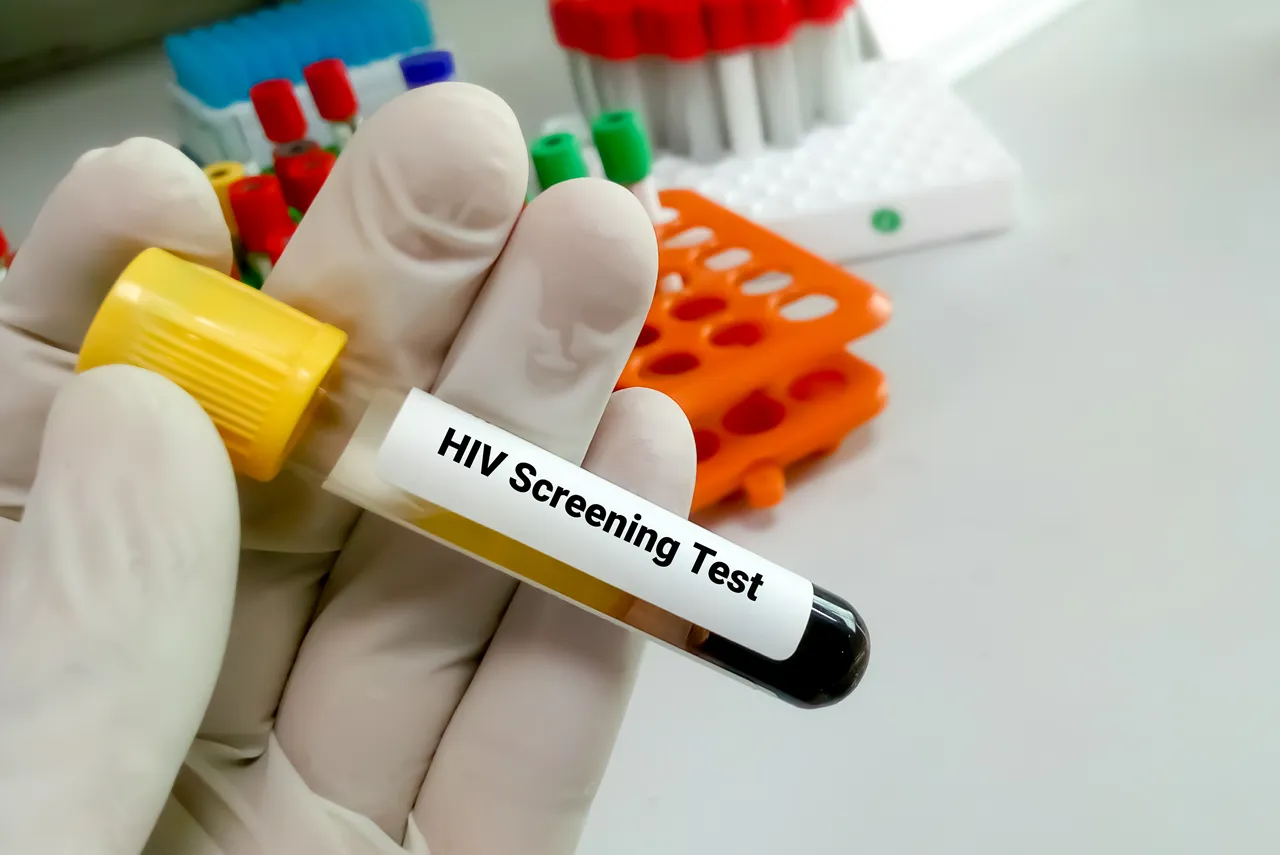
When preparing for an HIV screening appointment, it can be helpful to know what information to share with your doctor and what to expect from the testing process. Although HIV screening generally requires little physical preparation, details such as when a possible exposure occurred, whether you have undergone previous HIV tests and any recent use of PrEP or PEP can influence the choice of test and how its results are interpreted.
Understanding these considerations beforehand can help you make the most of your appointment. It is also useful to familiarise yourself with the screening service you will be attending and prepare any questions you may have about testing. This can help you approach the screening process with greater confidence and a clearer understanding of what your results may mean.
Key Takeaways
- HIV screening usually does not require complicated preparation beforehand.
- The timing of a possible exposure can affect when testing is useful and whether medical advice is needed sooner.
- If you have used PrEP or PEP, mention this during the appointment.
- Screening services can differ, so it helps to know whether you are attending a standard or anonymous testing service if you have privacy concerns.
When Should You Seek Out HIV Screening?
You should consider HIV screening if you have had a possible exposure to HIV, have never been tested before or want to check your HIV status as part of routine sexual health screening. The appropriate timing of testing is important, as different HIV tests have different window periods during which a recent infection may not yet be detectable.
If a possible high-risk exposure occurred within the past 72 hours, you should seek medical advice immediately rather than wait for a routine screening appointment. This is because post-exposure prophylaxis (PEP), a course of medication that can reduce the risk of HIV infection, must be started within 72 hours of exposure and is most effective when started as soon as possible.
Even if more than 72 hours have passed, HIV screening remains important following a possible exposure. Informing your doctor about when the exposure occurred can help them recommend an appropriate test and advise whether follow-up testing is needed to obtain a conclusive result.
What Information Should You Share With Your Doctor Before HIV Screening?
Before HIV screening, you should be ready to share relevant details about any possible exposure, previous HIV tests and your use of HIV prevention medication. This information helps the doctor assess your circumstances, recommend an appropriate test and explain how reliably the results can be interpreted.
| Information to share | Why it matters |
|---|---|
| Timing of possible HIV exposure | Different HIV tests have different window periods, which affect when an infection can be detected. |
| Circumstances of possible exposure | Details about the type of contact and any protective measures used can help the doctor assess the risk of HIV and other sexually transmitted infections (STIs). |
| Previous HIV testing | The dates and results of earlier tests can help determine whether further testing is needed. |
| PrEP or PEP use | Current or recent use of HIV prevention medication can affect the recommended testing approach and interpretation of results. |
What Practical Arrangements Should You Make Before HIV Screening?
HIV screening generally requires little physical preparation, but you should confirm the type of testing service you are attending, whether any identification is required and what to expect during the appointment. Checking these details beforehand can help you avoid confusion when you arrive.
Confirm Whether Your HIV Screening Is Anonymous
Not all HIV screening services are anonymous. If privacy is a particular concern, check whether your chosen clinic offers anonymous HIV testing and what registration requirements apply.
Check the Testing Procedure and Preparation Requirements
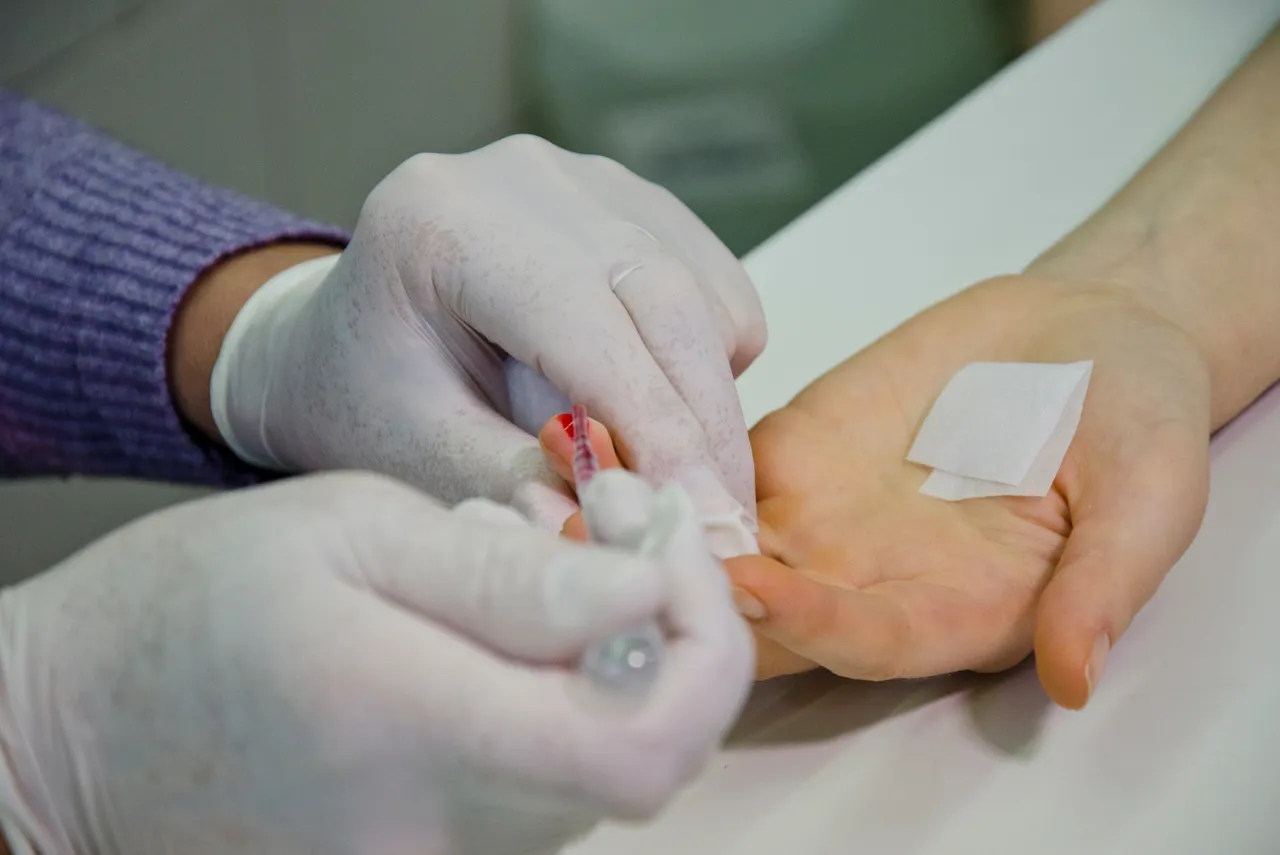
HIV screening commonly involves a blood sample collected through a finger prick or venous blood draw, depending on the test being performed. Fasting is generally not required for HIV testing alone, although additional tests may have different preparation requirements.
You can also confirm whether an appointment is necessary, how long the screening process usually takes and when your results will be available.
Prepare Any Questions About Your Results
Consider whether you have questions about the accuracy of your test, when a negative result can be considered conclusive or whether repeat screening may be necessary.
You can also ask whether other STI tests would be appropriate based on your circumstances.
What Happens After Your HIV Screening?
Preparing for HIV screening is the first step towards understanding your HIV status and making informed decisions about your sexual health. After testing, your results will help determine whether any further action is needed. This could involve repeat testing if the initial screening was performed within the window period, and a discussion regarding HIV treatment and ongoing care if an infection is diagnosed.
At Dr Tan Medical Center, Men’s Health & Sexual Health Doctor Dr Tan Kok Kuan provides HIV screening and sexual health services with an emphasis on confidential, individualised care. With over 20 years of clinical experience and involvement in HIV care, Dr Tan understands the importance of helping patients navigate sensitive health concerns with clarity and discretion.
Whether you are arranging routine HIV screening or seeking advice following a possible exposure, you can contact our clinic to discuss your concerns and arrange an appropriate appointment.
FAQs About Preparing for an HIV Screening Appointment
Do I need to fast before an HIV screening appointment?
HIV testing itself generally does not require fasting or other special preparation. You can usually eat and drink normally beforehand. However, if other blood tests are being performed during the same visit, check whether the clinic has given you separate instructions.
Should I avoid sexual activity while waiting for my HIV test results?
If you suspect a recent HIV exposure, it is advisable to avoid sexual activity until you have received medical advice about your HIV status and any further testing needed. This helps reduce the risk of possible transmission to your partners. If you do have sex, using condoms correctly can reduce the risk, although it does not eliminate it entirely.
Can I still go for HIV screening if I am feeling unwell?
Feeling unwell does not automatically mean that HIV screening needs to be postponed. Tell the doctor about any symptoms you are experiencing, particularly if they developed after a possible exposure, so they can consider them alongside your reason for testing.
Can I have an HIV test while I am on my period?
Yes. Menstruation does not usually affect the accuracy of an HIV blood test, so there is generally no need to postpone screening because of your period. If you are having other tests during the same visit, the clinic can advise whether any separate preparation is needed.
Meet Our Doctor
Meet Our Doctor
Dr Tan Kok Kuan
Men’s Health & Sexual Health Doctor
MBBS (S’pore), Cert. Men’s Health, Cert. Clinical Dermatology,Member, Academy for Men’s Health (Singapore)Member, Singapore Association for the Study of ObesityMember, International Society of Sexual Medicine
Dr Tan Kok Kuan is an experienced doctor specialising in men's health, sexual health and medical weight loss. With over 20 years of clinical experience, he offers confidential and effective screening and treatment services. Notably, Dr Tan was one of the key authors of Singapore’s National HIV PrEP Guidelines and the national blueprint to end HIV transmission by 2030. Dr Tan frequently speaks at local and international conferences and has been featured in the media, where he helps raise public awareness around men’s health and sexual health.
“Every patient deserves our fullest attention.”

10 Sinaran Drive #09-30, Novena Medical Centre, Singapore 307506
Tel: (+65) 6513 0359 | WhatsApp: (+65) 9750 5037
Operating Hours:
Monday to Friday: 8:30 AM to 6:30 PM
Saturday: 9:00 AM to 2:00 PM
Closed on Sundays and Public Holidays


