

What’s the Difference Between STD Testing and HIV Testing?
Blog

Dr Tan Kok Kuan
Men’s Health & Sexual Health Doctor
MBBS (S’pore), Cert. Men’s Health, Cert. Clinical Dermatology,Member, Academy for Men’s Health (Singapore)Member, Singapore Association for the Study of ObesityMember, International Society of Sexual Medicine
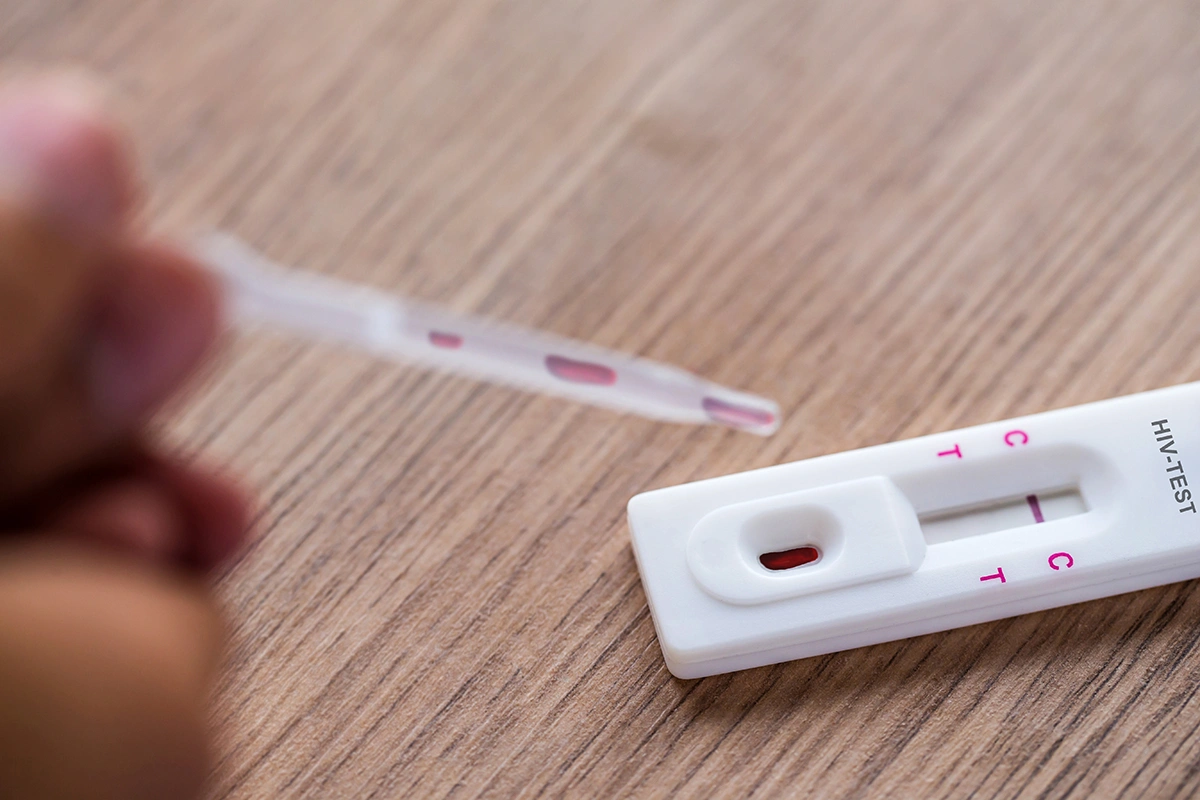
STD testing and HIV testing are not always interchangeable terms. HIV testing specifically checks for the human immunodeficiency virus (HIV), while STD testing may involve screening for a range of sexually transmitted infections such as chlamydia, gonorrhoea, syphilis and sometimes HIV.
Depending on a person’s symptoms, exposure risk or reason for testing, doctors may recommend different types of tests, including separate HIV screening where appropriate.
Key Takeaways
- HIV testing checks specifically for HIV, while STD testing may screen for multiple sexually transmitted infections.
- HIV is not always included in standard STD screening packages.
- Many STDs and HIV infections can be present without noticeable symptoms.
- HIV and STD testing may involve different test methods, including blood, urine, swabs or oral fluid samples.
- Recent HIV exposure may require repeat testing because of the HIV testing window period.
STD Testing vs. HIV Testing: What’s the Difference?
Although HIV is classified as a sexually transmitted infection (STI), HIV testing is often treated separately from standard STD testing because of its long-term health implications, different testing methods and specific follow-up care requirements. STD testing is a broader category that may involve screening for several infections at once, while HIV testing focuses only on detecting HIV.
Another key distinction is that there is no single universal “STD test.” Different clinics and test packages may screen for different infections, and HIV is not always automatically included unless specifically requested.
HIV Testing | STD Testing | |
Scope | Tests specifically for HIV | Screens for one or multiple sexually transmitted infections |
Infections Tested | HIV only | May include chlamydia, gonorrhoea, syphilis, herpes, hepatitis and sometimes HIV |
Sample Collection Method | Usually blood or oral fluid samples | May involve blood, urine, swabs or physical examination |
Follow-Up Care | Often involves confirmatory testing and long-term management | Depends on the infection detected |
What Does an STD/HIV Testing Process Involve?
In general, STD and HIV testing is a relatively simple process for the patient. Most tests involve providing samples such as urine, blood or swabs, depending on the infections being screened for. A doctor will then review the samples, assess any symptoms or exposure risks, and interpret the results based on the type of test performed.
STD Testing
STD testing may involve a combination of urine tests, blood tests, swabs or physical examinations, depending on the infection being investigated. Common STD screening panels may test for conditions such as chlamydia, gonorrhoea, syphilis, herpes and hepatitis.
For example:
- Chlamydia and gonorrhoea are commonly tested using urine samples or swabs.
- Syphilis and hepatitis testing usually require blood samples.
- Some infections may also require a doctor to examine visible symptoms such as sores, discharge or rashes.
The exact tests performed can vary between clinics and test packages, so patients should confirm which infections are included in their screening.
HIV Testing
HIV testing is usually a straightforward process that involves providing either a blood sample or an oral fluid sample, depending on the type of test being used. During the consultation, the doctor may ask about possible exposure timing, symptoms or recent risk factors to determine which HIV test is most appropriate.
There are several types of HIV tests commonly used:
- Antibody tests detect the body’s immune response to HIV and are commonly used in rapid tests or self-test kits.
- Antigen/antibody tests detect both HIV antibodies and p24 antigens, allowing earlier detection after exposure.
- Nucleic acid tests (NATs) detect the virus itself and may be used in certain higher-risk or early-exposure situations.
After the sample is collected, it is sent for analysis to check for signs of HIV infection, such as HIV antibodies, antigens or genetic material. Because HIV has a testing “window period,” the doctor may sometimes recommend repeat testing if the exposure was very recent. Once the results are ready, the doctor will review and interpret them together with the patient.
When Should You Get Tested?
STD or HIV testing may be recommended after situations that increase the risk of exposure, even if symptoms are not present. Many sexually transmitted infections can remain asymptomatic during the early stages, and proactive testing could potentially catch them early.
Common reasons to consider testing include:
- Engaging in unprotected sexual activity
- Engaging in sexual activity with a new partner
- Experiencing symptoms such as discharge, sores, pain during urination or rashes
- Having a current or former partner test positive for an STD or HIV
- Experiencing a possible exposure through blood or needle sharing

The Importance of Early STD/HIV Testing at a Specialist Clinic
Early STD and HIV testing can help identify infections before complications develop or transmission occurs. Many sexually transmitted infections may not cause noticeable symptoms in the early stages, which is why timely screening remains an important part of sexual health care.
Getting tested early may help:
- Reduce the risk of unknowingly transmitting infections to others
- Detect infections before symptoms become more serious
- Allow earlier treatment and medical management
- Identify HIV early before it progresses to more advanced stages such as AIDS
- Lower the risk of long-term complications from untreated infections
- Provide greater peace of mind after possible exposure
Dr Tan Medical Center is a men’s health clinic that provides confidential STD and HIV screening in a discreet clinical setting. Patients can receive professional advice, appropriate testing recommendations and follow-up care tailored to their individual risk factors, symptoms and exposure concerns. Led by Dr Tan Kok Kuan, the clinic supports patients through evidence-based screening and personalised medical guidance to help them better understand their sexual health concerns and available treatment options. If you are unsure whether you require HIV testing, STD screening or both, booking an early consultation can help you understand the most appropriate next steps.
Frequently Asked Questions (FAQs) About STD and HIV Testing
Does an STD test automatically include HIV testing?
Can HIV testing and STD testing be done during the same appointment?
How long after exposure should you get tested for HIV or STDs?
Can you have an STD or HIV without symptoms?
Our Doctor

Our Doctor
Dr Tan Kok Kuan
Men’s Health & Sexual Health Doctor
MBBS (S’pore), Cert. Men’s Health, Cert. Clinical Dermatology,Member, Academy for Men’s Health (Singapore)Member, Singapore Association for the Study of ObesityMember, International Society of Sexual Medicine
Dr Tan Kok Kuan is an experienced doctor specialising in men's health, sexual health and medical weight loss. With over 20 years of clinical experience, he offers confidential and effective screening and treatment services. Notably, Dr Tan was one of the key authors of Singapore’s National HIV PrEP Guidelines and the national blueprint to end HIV transmission by 2030. Dr Tan frequently speaks at local and international conferences and has been featured in the media, where he helps raise public awareness around men’s health and sexual health.
“Every patient deserves our fullest attention.”

10 Sinaran Drive #09-30, Novena Medical Centre, Singapore 307506
Tel: (+65) 6513 0359 | WhatsApp: (+65) 9750 5037
Operating Hours:
Monday to Friday: 8:30 AM to 6:30 PM
Saturday: 9:00 AM to 2:00 PM
Closed on Sundays and Public Holidays


