

How Do Doctors Decide Which Circumcision Technique Is Right for You?
Blog
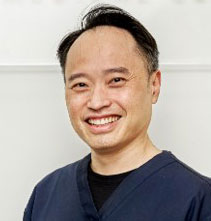
Dr Tan Kok Kuan
Men’s Health & Sexual Health Doctor
MBBS (S’pore), Cert. Men’s Health, Cert. Clinical Dermatology,Member, Academy for Men’s Health (Singapore)Member, Singapore Association for the Study of ObesityMember, International Society of Sexual Medicine

If you are considering circumcision, you may already know that several surgical techniques are available. Choosing between them often comes down to practical concerns, such as how much discomfort to expect, how long recovery will take and the risk of complications.
While some techniques may offer advantages in certain areas, the most suitable approach will vary between each patient, based on their anatomy, medical history and own life circumstances. Understanding these differences and the factors your doctor considers when recommending a technique can help you have a more informed discussion about your options.
Common Circumcision Techniques and How They Differ
Circumcision can be carried out using several techniques. The main differences lie in how the foreskin is removed and how the wound is managed afterwards.
Conventional and Laser Circumcision
With conventional circumcision, the doctor removes the planned amount of foreskin using surgical instruments before closing the wound with dissolvable stitches or tissue glue. This approach gives the doctor direct control over where the foreskin is cut and how much is removed.
Laser circumcision follows a similar overall principle, but a laser is used to make the incision. The heat from the laser also helps seal small blood vessels as the foreskin is removed. The wound still needs to be closed afterwards.
ShangRing Circumcision
ShangRing circumcision uses a two-part ring device to secure the foreskin before the excess tissue is removed. Unlike conventional circumcision, the procedure generally does not require stitches.
The ring remains in place temporarily while the wound begins healing. Depending on the device and treatment protocol, it is subsequently removed or allowed to detach. This means patients must account for having the device in place during the early recovery period.
Stapler Circumcision
Stapler circumcision uses a specialised circular device that removes the foreskin and places small surgical staples around the wound in a single action.
Unlike the ShangRing, the main stapler device is removed during the procedure, leaving the staples to hold the wound edges together. These generally detach as healing progresses, although some may require removal if they remain in place.
Tissue-Glue Circumcision
Tissue glue mainly changes how the wound is closed. The foreskin is first removed using a surgical or laser-assisted method, after which medical adhesive is used to hold the skin edges together rather than conventional stitches. The glue remains over the wound while it starts healing and gradually comes away on its own.
Each technique therefore approaches the procedure somewhat differently, and those differences become relevant when a doctor considers which options fit an individual patient.
What Factors Influence the Choice of Circumcision Technique?
Knowing which methods are available is only the starting point. Before recommending one, the doctor needs to assess whether the technique can be used safely and whether it suits what the procedure is intended to achieve.
Condition of the Foreskin
The reason for circumcision can influence which techniques are suitable. During the examination, the doctor will assess the foreskin for tightness, scarring or other abnormalities that could affect how it needs to be removed.
For example, significant scarring or certain anatomical findings may make ring-based or stapler techniques less suitable. In these cases, a conventional surgical approach may offer greater flexibility in determining where the incision is made and how much tissue is removed.
Medical History and Existing Health Conditions
Your medical history can also affect how circumcision is planned. The doctor will review any existing health conditions that could interfere with wound healing, medications that increase bleeding risk and previous procedures involving the penis or foreskin.
These factors help identify potential complications and determine whether additional precautions or a particular surgical approach would be appropriate.
Recovery Requirements and Personal Circumstances
When several techniques are clinically suitable, practical considerations can help guide the final decision. These include the expected recovery period, wound care requirements, follow-up appointments and how the procedure might affect your work or daily activities.
For example, some techniques involve a temporary device or staples that remain in place during healing, while others use stitches or tissue glue. Discussing these differences with your doctor can help you choose an appropriate technique that also accommodates your recovery needs.
How Do Personal Preferences Influence Circumcision Planning?
When more than one circumcision technique is medically suitable, your preferences can help guide the final decision. These may relate to the intended appearance, the procedure itself or what you can reasonably accommodate during recovery.
Desired Appearance and Cosmetic Outcomes
Some patients have specific preferences regarding the appearance of the penis after circumcision, including how much foreskin is removed, the position of the circumcision scar and the amount of inner foreskin retained.
These preferences can be discussed during the consultation. For example, medically required circumcision performed to address foreskin scarring may require a different approach from a procedure undertaken for personal reasons.
Procedural and Recovery Preferences
Patients may also have preferences concerning the procedure and recovery, particularly regarding wound closure, postoperative discomfort and the need for follow-up care.
For example, some may prefer to avoid having a temporary ring in place, while others may be interested in techniques that do not require conventional stitches. These considerations can help distinguish between clinically suitable options, provided the patient understands the practical requirements and limitations of each method.
Discussing your priorities with the doctor allows these preferences to be considered alongside the clinical findings, helping you reach a decision that reflects both your treatment needs and personal expectations.

Personalised Circumcision Care With Dr Tan Kok Kuan
Choosing a suitable circumcision technique involves balancing clinical considerations with your preferences for comfort, recovery and the intended outcome. A personalised approach can help ensure that the procedure addresses your needs while minimising avoidable risks and complications.
At Dr Tan Medical Center, Men’s Health & Sexual Health Doctor Dr Tan Kok Kuan offers several circumcision techniques, allowing treatment to be tailored to each patient’s individual circumstances. His approach prioritises clinical suitability, patient comfort and practical recovery needs, helping patients make decisions with confidence in the care they receive.
If you are considering circumcision and would like to understand which technique may be suitable for you, you can contact us to arrange a consultation.
Frequently Asked Questions
Can an active foreskin infection interfere with circumcision?
Yes. If the foreskin is inflamed or infected, the doctor may recommend treating the condition before proceeding with circumcision. This allows the inflammation to settle and reduces the potential for complications associated with operating on affected tissue. The timing depends on the condition of the foreskin and whether carrying out the procedure immediately would affect healing or treatment.
Is circumcision painful if local anaesthesia is used?
Local anaesthesia numbs the area so that you should not feel sharp pain during the procedure, although you may still experience pressure or movement. Some discomfort can occur as the anaesthesia wears off, and your doctor can advise you on suitable pain relief during recovery.
Do different circumcision techniques require different recovery periods?
Yes. Although the overall healing process is broadly similar, the recovery experience can differ according to the technique used. For example, ShangRing circumcision involves keeping a temporary ring in place, while stapler circumcision leaves staples around the wound until they detach or are removed. These differences can affect wound care and follow-up requirements, although complete healing still takes time regardless of the method.
Does the circumcision technique affect the risk of complications?
Different circumcision techniques can have different complication profiles, including risks related to bleeding, infection, swelling and wound healing. However, a technique associated with fewer complications in one group of patients is not necessarily safer for everyone. Your foreskin condition, medical history and the doctor’s assessment remain important when evaluating the risks of each approach.
Meet Our Doctor
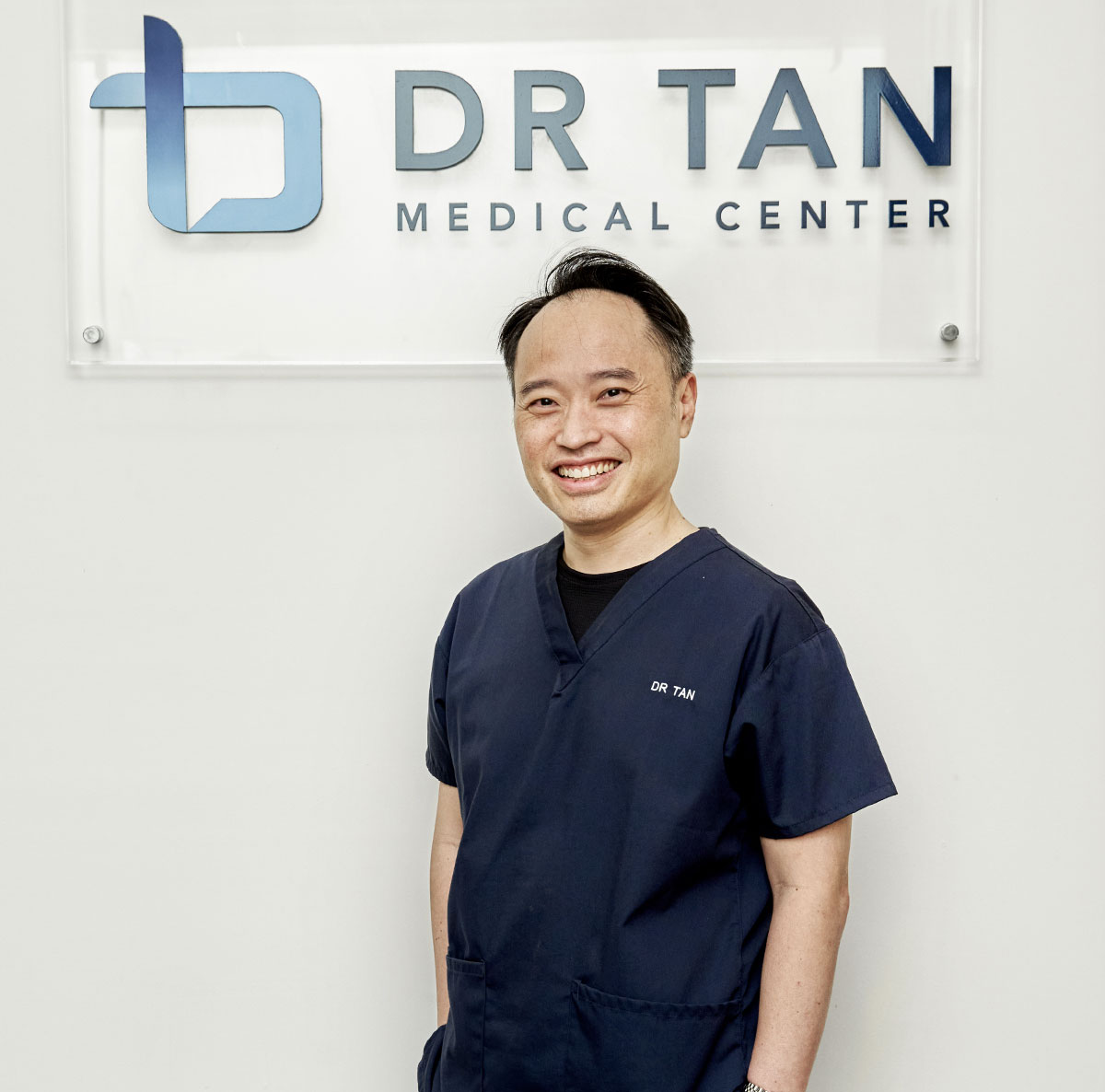
Meet Our Doctor
Dr Tan Kok Kuan
Men’s Health & Sexual Health Doctor
MBBS (S’pore), Cert. Men’s Health, Cert. Clinical Dermatology,Member, Academy for Men’s Health (Singapore)Member, Singapore Association for the Study of ObesityMember, International Society of Sexual Medicine
Dr Tan Kok Kuan is an experienced doctor specialising in men's health, sexual health and medical weight loss. With over 20 years of clinical experience, he offers confidential and effective screening and treatment services. Notably, Dr Tan was one of the key authors of Singapore’s National HIV PrEP Guidelines and the national blueprint to end HIV transmission by 2030. Dr Tan frequently speaks at local and international conferences and has been featured in the media, where he helps raise public awareness around men’s health and sexual health.
“Every patient deserves our fullest attention.”

10 Sinaran Drive #09-30, Novena Medical Centre, Singapore 307506
Tel: (+65) 6513 0359 | WhatsApp: (+65) 9750 5037
Operating Hours:
Monday to Friday: 8:30 AM to 6:30 PM
Saturday: 9:00 AM to 2:00 PM
Closed on Sundays and Public Holidays


