
HIV Testing Explained: When Should Men Get Tested?
Blog

Dr Tan Kok Kuan
Men’s Health & Sexual Health Doctor
MBBS (S’pore), Cert. Men’s Health, Cert. Clinical Dermatology,Member, Academy for Men’s Health (Singapore)Member, Singapore Association for the Study of ObesityMember, International Society of Sexual Medicine
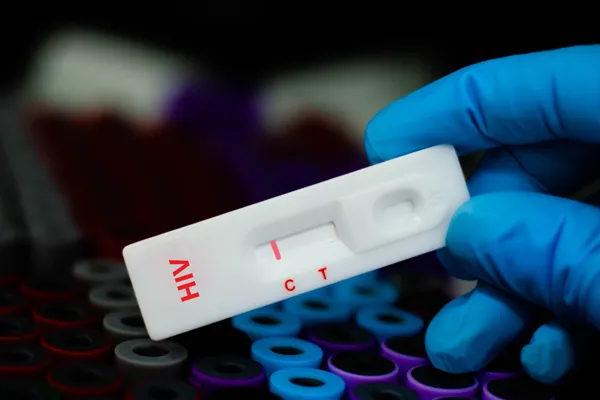
HIV remains a major global health concern, affecting millions of people worldwide. While significant advances in treatment have transformed HIV into a manageable long-term condition, many individuals are still unaware that they are infected. For men in particular, the infection can remain silent for years without obvious symptoms.
This is why HIV testing plays a critical role in early detection and prevention. Knowing your status allows you to seek timely medical care, protect your partners and make informed decisions about your health.
Why HIV Testing Is Important for Men
HIV is often asymptomatic for long stretches of time, leaving the virus undetected. Many men with HIV do not notice symptoms in the early stages of the infection. Without proper testing, individuals may unknowingly spread the infection to sexual partners or delay treatment that could protect their long-term health.
Without treatment, HIV gradually destroys key components of the immune system. This eventually progresses to Acquired Immunodeficiency Syndrome (AIDS), which is nearly always fatal. Early detection allows doctors to start treatment sooner, which can significantly reduce the amount of virus in the body and help preserve the immune system. With modern antiretroviral therapy, many people living with HIV can lead long and healthy lives. Regular testing therefore plays an important role in both personal health and preventing the spread of HIV.
What Are the Symptoms Of HIV Infection?
Possible symptoms of acute HIV infection include:
- Fever
- Swollen lymph nodes
- Skin rash
- Sore throat
- Severe fatigue
- Night sweats
- Muscle and joint aches
- Mouth ulcers
- Headaches
- Unexplained weight loss
However, none of these symptoms are exclusive to HIV. It is easy for a patient to dismiss these signs as being caused by other viral infections. It is also common for these symptoms to fade after the initial period of exposure, or for symptoms to be completely absent.
As such, HIV testing remains the most reliable way to identify the virus, as other clinical methods cannot easily result in a diagnosis.
When Should Men Get Tested for HIV?
HIV testing is recommended in several situations, particularly when there is a possibility of exposure to the virus.
Routinely
Men who are sexually active should consider routine HIV testing as part of regular sexual health screening, even if they do not have symptoms. Regular testing helps ensure early detection and allows individuals to take appropriate steps to protect their health and their partners.
After Unprotected Sex
Men should consider getting tested after having unprotected vaginal, anal or oral sex, particularly if the HIV status of their partner is unknown. Testing helps determine whether exposure may have occurred and allows doctors to advise on the appropriate next steps.
When Starting a New Sexual Relationship
Men may also consider getting tested for HIV before starting a new sexual relationship. Testing helps both partners understand their HIV status and make informed decisions about their sexual health.
For couples, testing together can provide reassurance and help establish safer practices moving forward. Even if neither partner has symptoms, screening before a new relationship can be an important step in protecting both individuals.
If a Partner Tests Positive
If a current or previous sexual partner has been diagnosed with HIV, it is important to seek medical advice and undergo testing promptly. As HIV can remain undetected for long periods, you may be unaware of the infection even if you feel well and do not have symptoms.
Early testing allows doctors to determine your HIV status and advise on the appropriate next steps. If exposure is recent, a timely medical evaluation may also allow preventive treatment to reduce the risk of infection.
After Potential Blood Exposure
HIV can also be transmitted through contact with infected blood entering the bloodstream. This may occur when shared or unsterilised equipment is used, or when blood comes into contact with open wounds or mucous membranes.
Examples of situations that may increase the risk of blood exposure include:
- Sharing needles or injection equipment
- Receiving tattoos or body piercings at unlicensed or unhygienic tattoo parlours
- Accidental injuries from needles or other items that are in contact with blood
- Contact with infected blood through open cuts or wounds
Types of HIV Tests Available
Several types of HIV tests are available to detect infection. These tests work by identifying different markers in the body such as HIV antibodies, antigens or the virus itself.
The type of test recommended may depend on the predicted time since exposure.
HIV Antibody Test (ELISA Test)
The HIV antibody test, also known as the ELISA test, is a laboratory blood test that detects antibodies produced by the immune system in response to HIV infection.
When performed around 1 month after exposure, this test can provide results with over 90% accuracy. Because antibodies may take time to reach detectable levels, a confirmatory test is often performed approximately 3 months after exposure, where the test can achieve a specificity of over 99%.
This test has been widely used for many years and remains an important method for confirming HIV infection.
Fourth-Generation HIV Blood Test
The fourth-generation HIV test, also known as the HIV combo test, is widely used in clinics and laboratories because it can detect infection earlier than antibody-only tests.
This blood test detects both:
- HIV antibodies, produced by the immune system
- p24 antigens, proteins from the virus itself
Because it identifies both markers, the test can provide conclusive results as early as around 28 days after exposure. This makes it one of the most commonly recommended tests for routine HIV screening due to its accuracy and earlier detection capability.
HIV RNA Test
The HIV RNA test, also known as a Polymerase Chain Reaction (PCR) test, detects the genetic material of the virus directly in the blood rather than relying on the body’s immune response.
This test can detect HIV very early after exposure, typically around 9–11 days, making it useful in situations where recent infection is suspected. It is often recommended for individuals who may have had a recent high-risk exposure or when doctors need to confirm results from other HIV tests.
What Happens If an HIV Test Is Positive?
If an HIV test is confirmed positive, doctors will usually recommend starting HIV treatment immediately. You will most likely have to undergo antiretroviral therapy (ART) as soon as possible. This method works by preventing the virus from multiplying in the body, which helps protect the immune system and control the infection.
When taken consistently as prescribed, HIV treatment can reduce the amount of virus in the blood to very low or undetectable levels, a state known as viral suppression. This helps people maintain good health and prevents damage to the immune system.
Although HIV cannot currently be cured, modern treatment allows many people living with HIV to have a near-normal life expectancy and good quality of life with ongoing medical care.
Post-Exposure Prophylaxis (PEP) for Recent Exposure
If exposure to HIV has occurred very recently, doctors may recommend Post-Exposure Prophylaxis (PEP). PEP is a short course of antiretroviral medication that can help reduce the risk of HIV infection after a potential exposure.
For PEP to be effective, treatment must usually begin within 72 hours of exposure, and the medication is typically taken for about 28 days.
Ongoing Medical Support
Following a positive diagnosis, patients are usually referred for specialist HIV care and regular follow-up. This may include:
- Monitoring viral load and immune system health
- Adjusting treatment when necessary
- Screening for other sexually transmitted infections
- Counselling and support services
With appropriate medical care, adherence to treatment and regular monitoring, many people with HIV are able to live active and healthy lives while keeping the virus under control.
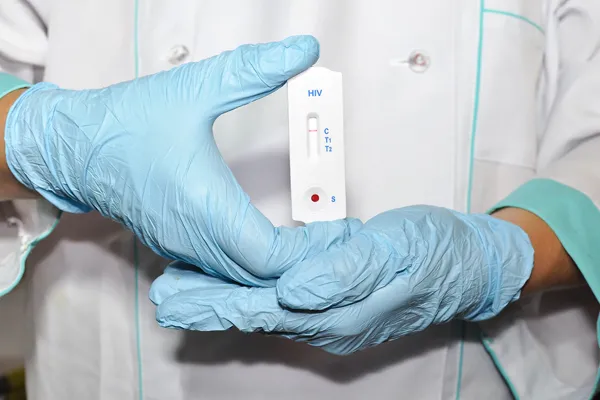
Safeguarding Your Health With Routine Testing
HIV testing remains one of the most important steps men can take to protect their long-term sexual health. Understanding when to get tested, recognising potential symptoms and seeking medical advice after possible exposure can make a significant difference in preventing complications and reducing the spread of the virus.
At Dr Tan Medical Center, we provide confidential HIV testing and comprehensive sexual health care in a discreet clinical setting. Dr Tan Kok Kuan has extensive experience in men’s sexual health and offers personalised advice, screening and treatment plans tailored to each patient’s needs.
If you believe you may have been exposed to HIV, or if you would like routine sexual health screening for peace of mind, seek medical advice early. Contact us today to arrange a confidential consultation and HIV test.

Meet Our Men’s Health Doctor
Dr Tan Kok Kuan
MBBS (S’pore), Cert. Men’s Health, Cert. Clinical Dermatology, Member, Academy for Men’s Health (Singapore) Member, Singapore Association for the Study of Obesity Member, International Society of Sexual Medicine

Dr Tan Kok Kuan is an experienced doctor specialising in men's health, sexual health and medical weight loss. With over 20 years of clinical experience, he offers confidential and effective screening and treatment services. Notably, Dr Tan was one of the key authors of Singapore’s National HIV PrEP Guidelines and the national blueprint to end HIV transmission by 2030. Dr Tan frequently speaks at local and international conferences and has been featured in the media, where he helps raise public awareness around men’s health and sexual health.
“Every patient deserves our fullest attention.”

10 Sinaran Drive #09-30, Novena Medical Centre, Singapore 307506
Tel: (+65) 6513 0359 | WhatsApp: (+65) 9750 5037
Operating Hours:
Monday to Friday: 8:30 AM to 6:30 PM
Saturday: 9:00 AM to 2:00 PM
Closed on Sundays and Public Holidays


