

What Happens If You Test Positive for Gonorrhoea?
Blog

Dr Tan Kok Kuan
Men’s Health & Sexual Health Doctor
MBBS (S’pore), Cert. Men’s Health, Cert. Clinical Dermatology,Member, Academy for Men’s Health (Singapore)Member, Singapore Association for the Study of ObesityMember, International Society of Sexual Medicine
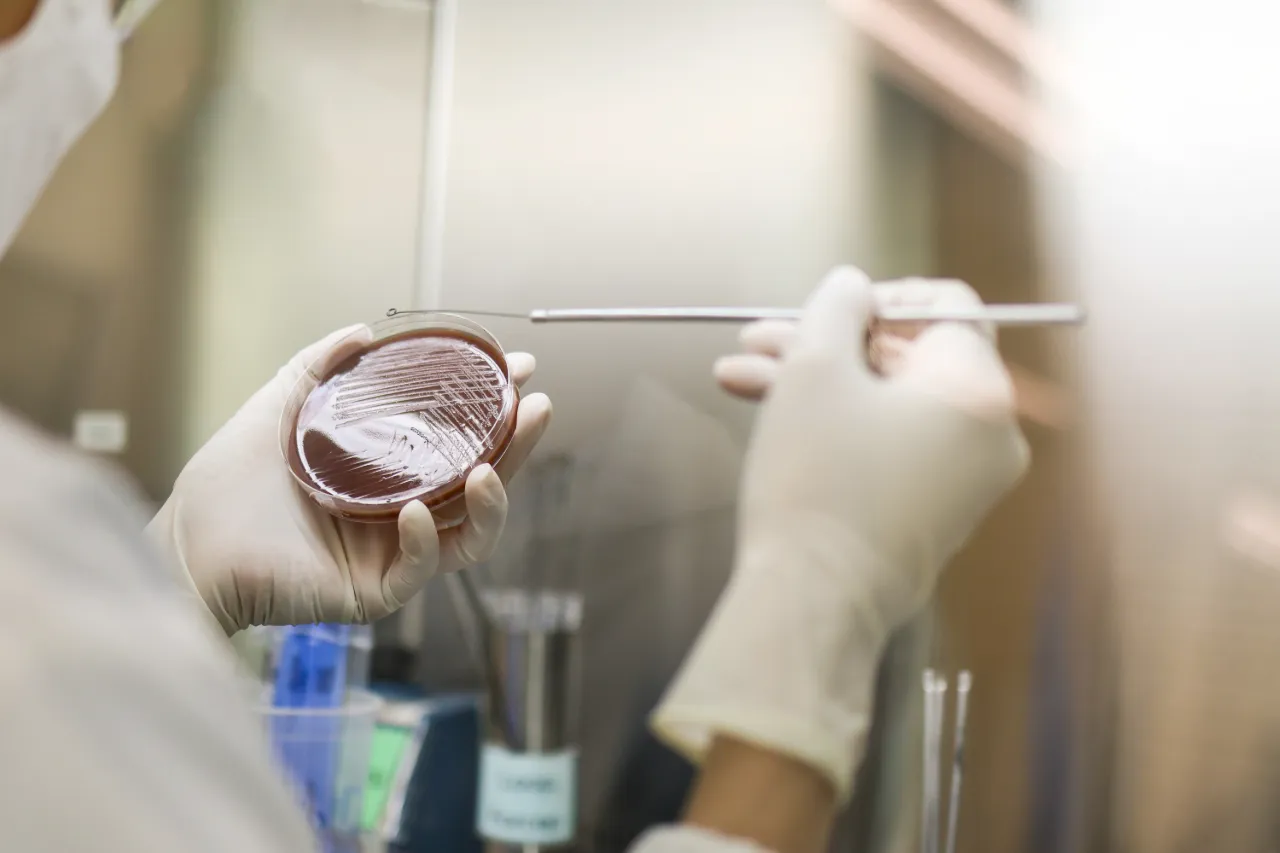
A positive gonorrhoea result can leave you struggling to process several concerns at once. You may be worried about your health, uncertain about how or when you acquired the infection and anxious about telling a sexual partner. When these questions arise together, even deciding what to do first can feel overwhelming.
The most important next step is to seek medical care so that the infection can be properly treated. Gonorrhoea is treatable with prescribed antibiotics, and a doctor can also guide you through the precautions, partner notification and follow-up that may be required. Knowing what to expect can make the situation easier to manage while helping protect your health and that of your sexual partners.
What Should You Do After a Positive Gonorrhoea Test?
After receiving a positive result, you should consult a doctor promptly for treatment and guidance on preventing the infection from being passed to others. While waiting for your appointment, the following steps can help you manage the situation safely:
- Arrange a medical consultation. A doctor can review your gonorrhoea test result, assess your symptoms and recommend appropriate treatment based on your medical history.
- Prepare relevant information for your doctor. Take note of any symptoms, recent sexual contact and possible sites of exposure, as gonorrhoea can affect the genitals, rectum or throat and may require site-specific testing.
- Avoid sexual contact. Refrain from vaginal, anal and oral sex until you have completed treatment, observed the advised waiting period and any relevant partners have also been treated.
- Do not self-medicate or use leftover antibiotics. Taking the wrong antibiotic or dose may fail to clear the infection and can make it harder for your doctor to provide appropriate gonorrhoea treatment.
- Arrange testing for other STIs. Gonorrhoea can occur alongside infections such as chlamydia, syphilis or HIV, so your doctor may recommend additional screening even if you have no other symptoms.
- Inform recent sexual partners. Anyone who may have been exposed should be told, even if they have no symptoms, so they can seek medical advice. Your doctor can help you identify which partners should be contacted.
How Should You Tell a Sexual Partner About Gonorrhoea?
Telling a sexual partner may be one of the most stressful steps after a positive gonorrhoea test, especially if you are worried about how they will react or what the diagnosis could mean for your relationship. Nevertheless, informing them allows them to arrange testing and treatment, helping protect both of you from further transmission or reinfection.
If you are unsure whom to inform or how to begin the conversation, a sexual health doctor can advise you on a practical and sensitive approach based on their experience helping patients navigate these situations.
Which Sexual Partners Should Be Informed?
Your doctor can advise which partners should be contacted based on when you may have acquired the infection and your recent sexual history. Partners may need to be informed even if they have no symptoms, as gonorrhoea can remain unnoticed while still being transmitted.
A positive result does not necessarily establish exactly when the infection was acquired or who it came from. Avoid making assumptions about the source of the infection and focus instead on ensuring that anyone who may have been exposed can arrange medical care.
How Can You Approach the Conversation?
Choose a private and suitable way to communicate, then state the important information clearly. You do not need to explain everything immediately or turn the conversation into a discussion about blame. Let the person know that you have tested positive, that they may have been exposed and that they should consult a doctor about testing and treatment.
How Is Gonorrhoea Treated?
Gonorrhoea is treated with antibiotics prescribed by a doctor. Receiving the recommended antibiotic at the correct dosage is important because the bacteria that cause gonorrhoea have developed resistance to several antibiotics, making some treatments less effective.
Follow the treatment instructions exactly and do not substitute the prescribed medication with leftover antibiotics or medication obtained elsewhere. The wrong antibiotic or dose may fail to clear the infection.
What Happens After You Receive Treatment?
Symptoms such as discharge or discomfort during urination may begin to improve after treatment. However, feeling better does not mean that you should immediately resume sexual activity or assume that the infection can no longer be transmitted.
Avoid sexual contact for the period advised by your doctor and until relevant sexual partners have also received treatment. This helps prevent transmission and reduces the risk of you becoming infected again.
What if Your Symptoms Do Not Improve?
Consult your doctor if your symptoms persist, worsen or return after treatment. Further testing may be needed to determine whether the original infection remains, you have been reinfected or another condition is causing the symptoms.
What Follow-Up Is Needed After Gonorrhoea Treatment?
Your doctor may ask you to return for another gonorrhoea test after treatment. This follow-up checks whether the original infection has cleared and is separate from later screening for a new infection.
Follow-Up Testing After Treatment
You may be asked to return around 14 days after treatment to check that the infection is no longer present. Follow your doctor’s instructions on when to complete the test, as testing too soon may not provide a reliable result.
Do not wait for the scheduled follow-up if your symptoms worsen or return. Arrange an earlier assessment so your doctor can determine whether the infection remains or another condition is causing your symptoms.
Assessment Before Resuming Sexual Activity
Your follow-up also allows your doctor to advise when it is safe to resume sexual activity. Do not resume vaginal, anal or oral sex simply because your symptoms have improved or you have completed the prescribed treatment.
Wait until the advised period has passed and your doctor has confirmed that it is safe. Relevant sexual partners should also have been tested and treated where necessary, as resuming sexual contact too soon may transmit the infection or lead to reinfection.
Repeat Screening for Reinfection
Even if treatment clears the original infection, it does not protect you from contracting gonorrhoea again. Your doctor may therefore recommend another test several months later, particularly if you have had a new sexual exposure or a partner has not been tested and treated.
This also provides an opportunity to review other STI results and discuss any further steps needed to protect your sexual health.
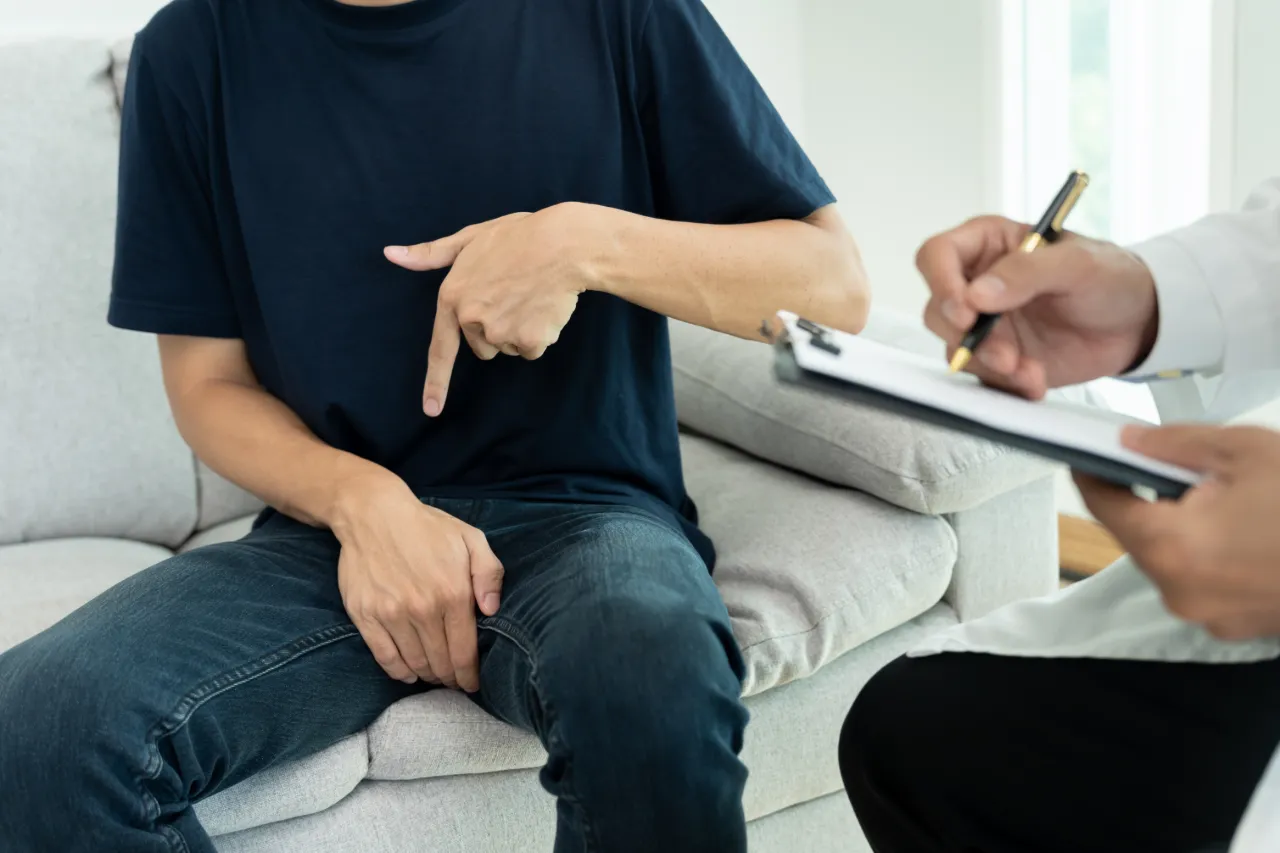
Timely Gonorrhoea Testing and Treatment at Dr Tan Medical Center
A gonorrhoea diagnosis may bring difficult conversations and unfamiliar decisions, but you do not have to manage this journey alone. Support from a specialist can help you access treatment, understand the necessary precautions, inform your partners and complete the recommended follow-up with greater confidence.
At Dr Tan Medical Center, our men’s health & sexual health doctor, Dr Tan Kok Kuan, understands that discussing an STI diagnosis and its effect on your relationships can feel deeply personal. He approaches these concerns with empathy and discretion while providing clear advice, treatment and follow-up care to help you manage the situation one step at a time.
Book a private consultation if you are concerned about a possible exposure, require testing or need guidance following a positive result.
Frequently Asked Questions About Gonorrhoea Treatment
Can gonorrhoea be cured without medical treatment?
Can you still have gonorrhoea if your symptoms disappear?
How long after treatment can you have sex?
Is gonorrhoea testing confidential in Singapore?
Can you get gonorrhoea again after treatment?
Meet Our Doctor

Meet Our Doctor
Dr Tan Kok Kuan
Men’s Health & Sexual Health Doctor
MBBS (S’pore), Cert. Men’s Health, Cert. Clinical Dermatology,Member, Academy for Men’s Health (Singapore)Member, Singapore Association for the Study of ObesityMember, International Society of Sexual Medicine
Dr Tan Kok Kuan is an experienced doctor specialising in men's health, sexual health and medical weight loss. With over 20 years of clinical experience, he offers confidential and effective screening and treatment services. Notably, Dr Tan was one of the key authors of Singapore’s National HIV PrEP Guidelines and the national blueprint to end HIV transmission by 2030. Dr Tan frequently speaks at local and international conferences and has been featured in the media, where he helps raise public awareness around men’s health and sexual health.
“Every patient deserves our fullest attention.”

10 Sinaran Drive #09-30, Novena Medical Centre, Singapore 307506
Tel: (+65) 6513 0359 | WhatsApp: (+65) 9750 5037
Operating Hours:
Monday to Friday: 8:30 AM to 6:30 PM
Saturday: 9:00 AM to 2:00 PM
Closed on Sundays and Public Holidays


