

How Does a Men’s Sexual Health Clinic Address Fertility Concerns?
Blog
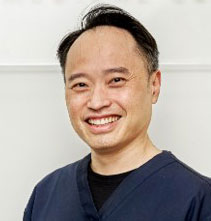
Dr Tan Kok Kuan
Men’s Health & Sexual Health Doctor
MBBS (S’pore), Cert. Men’s Health, Cert. Clinical Dermatology,Member, Academy for Men’s Health (Singapore)Member, Singapore Association for the Study of ObesityMember, International Society of Sexual Medicine

Fertility concerns can often be stressful to raise, especially when they are accompanied by changes in sexual function or uncertainty about what may be affecting your reproductive health. It may not be clear whether the problem is related to fertility, which doctor you should approach or how to begin seeking help.
A men’s sexual health clinic provides a private setting in which you can discuss these concerns without needing to identify the possible cause beforehand. Within this space, your doctor can listen to what you have been experiencing, determine which aspects of your sexual and reproductive health require closer attention and explain the next steps clearly.
What Sexual Health Issues May Contribute to Fertility Concerns?
Sexual health issues may affect fertility by interfering with intercourse, ejaculation, sperm production or the transport of sperm through the reproductive tract. Some conditions have a direct effect on reproductive function, while others may make conception more difficult without necessarily affecting sperm quality.
Erectile or Ejaculatory Difficulties
Erectile dysfunction may make penetrative sex difficult without necessarily affecting sperm quality. Ejaculatory conditions may prevent semen from being released normally. For example, delayed ejaculation or anejaculation can prevent ejaculation during intercourse, while retrograde ejaculation causes semen to enter the bladder instead of leaving through the penis.
Hormonal Imbalances
Hormonal imbalances can affect both sperm production and sexual function, potentially causing reduced sexual desire or erectile difficulties. They may be linked to testicular or pituitary conditions, certain medications or anabolic steroid use. Testosterone replacement can also suppress sperm production, making it important to discuss current or planned treatment with your doctor if you are trying to conceive.
STIs and Reproductive Tract Infections
STIs such as chlamydia and gonorrhoea may cause inflammation in the reproductive tract. In some cases, the resulting damage or scarring can interfere with sperm production or transport. As these infections do not always cause symptoms, screening may be recommended based on previous exposure, infection history or examination findings.
Testicular Conditions and Sperm Transport Problems
Undescended testicles, testicular injuries, previous surgery and varicoceles may affect sperm production or quality. Blockages in the reproductive tract may instead prevent sperm from entering the semen. These conditions do not always cause noticeable symptoms and may only be identified through examination and fertility testing.
What Happens During a Fertility Assessment at a Sexual Health Clinic?
A fertility assessment usually begins with a discussion of your concerns and a review of factors that may be affecting conception. Where appropriate, your doctor may also conduct a physical examination before recommending suitable tests.
Discussing Your Fertility Concerns
A consultation provides you with an opportunity to explain what has prompted you to seek help. The doctor may ask how long you and your partner have been trying to conceive, whether either of you has conceived previously and whether you have noticed changes in erections, ejaculation or sexual desire.
Although these questions may feel personal, your answers help the doctor understand whether sexual function could be making conception more difficult and which areas require closer assessment.
Reviewing Your Medical History
The doctor will review your medical and reproductive history for factors that may affect sperm production or transport. These could include previous STIs, testicular injuries, childhood conditions, surgery or long-term health problems.
Current medications and hormone use are also important. For example, testosterone replacement and anabolic steroids can suppress sperm production. Lifestyle factors may be discussed where they are relevant, but the assessment should focus on understanding your circumstances rather than assuming that one habit is responsible.
Conducting a Physical Examination
Where appropriate, the doctor may recommend a physical examination to look for signs of a testicular or reproductive tract condition. This may involve checking the size and position of the testicles and looking for swelling, tenderness or enlarged veins that could indicate a varicocele.
The examination is carried out with your consent and does not determine fertility on its own. Instead, it helps the doctor identify physical findings that may influence the choice of tests or indicate a need for specialist assessment.
Planning the Next Steps
The doctor will explain what the initial assessment suggests and whether further testing may be useful. The next step could involve evaluating semen quality, checking hormone levels or screening for an infection, depending on your history and symptoms.
If the concern falls outside the clinic’s scope or requires more specialised evaluation, you may be referred to a urologist or fertility specialist. This ensures that you have a clearer pathway forward even when the cause cannot be determined during the first consultation.
What Further Fertility Tests May a Sexual Health Clinic Recommend?
The doctor may recommend specific tests based on your history, symptoms and examination findings:
- Semen analysis: Assesses semen volume, sperm concentration, movement and shape. A repeat test may be recommended because semen quality can vary.
- Hormone testing: Measures testosterone and other hormones involved in sexual function and sperm production.
- STI screening: Checks for infections that may cause inflammation or affect the reproductive tract.
- Specialist tests: Ultrasound scans or other assessments may be arranged when a blockage or testicular condition is suspected. Genetic testing may be considered in selected cases involving very low or absent sperm counts.
What Treatments May Be Recommended for Fertility-Related Sexual Health Issues?
A sexual health clinic may recommend several different fertility treatment approaches depending on the findings of your assessment.
Addressing Erectile or Ejaculatory Difficulties
Treatment for erectile dysfunction depends on its cause and may involve managing an underlying health condition, adjusting contributing medications or prescribing suitable erectile dysfunction treatment. Addressing the difficulty may make intercourse possible but does not necessarily change sperm quality.
Ejaculatory difficulties may require a review of medications or treatment for an underlying physical or psychological factor. Referral may be needed when specialised tests or sperm-retrieval methods are being considered.
Managing Hormonal Factors
If hormone levels are abnormal, the doctor will consider what may be disrupting the hormonal signals involved in sperm production. This may include reviewing existing health conditions, prescribed medications, testosterone replacement or anabolic steroid use.
Treatment must account for the patient’s fertility plans because testosterone replacement can further suppress sperm production. Depending on the cause, management may require support from a urologist, endocrinologist or fertility specialist.
Treating STIs and Reproductive Tract Infections
A doctor may treat an active bacterial STI or reproductive tract infection with appropriate antibiotics. The doctor may also advise testing or treatment for the patient’s partner to reduce the risk of reinfection.
Treating the infection can control ongoing inflammation and prevent further transmission, but it may not reverse scarring or reproductive tract damage that has already occurred.
Referring You for Specialist Fertility Care
If testing identifies a persistent sperm abnormality, blockage, varicocele or testicular condition, further evaluation by a urologist or fertility specialist may be recommended. Specialist care may also be needed when surgical treatment, sperm retrieval or assisted conception is being considered.

Taking the First Step Towards Addressing Your Fertility Concerns
A fertility concern does not necessarily mean that you have a permanent fertility problem. Sexual function, hormonal health, infections and testicular conditions can affect conception in different ways, making proper assessment more useful than drawing conclusions from symptoms alone. Identifying the relevant factors can provide a clearer basis for treatment and show when specialist fertility care may be beneficial.
At Dr Tan Medical Center, Dr Tan Kok Kuan, our men’s health & sexual health doctor, provides confidential assessment for fertility-related sexual health concerns in a discreet setting. Dr Tan is able to recommend suitable testing based on his findings and guide you towards the appropriate treatment.
Contact us today to book an appointment and address your fertility concerns.
Meet Our Doctor

Meet Our Doctor
Dr Tan Kok Kuan
Men’s Health & Sexual Health Doctor
MBBS (S’pore), Cert. Men’s Health, Cert. Clinical Dermatology,Member, Academy for Men’s Health (Singapore)Member, Singapore Association for the Study of ObesityMember, International Society of Sexual Medicine
Dr Tan Kok Kuan is an experienced doctor specialising in men's health, sexual health and medical weight loss. With over 20 years of clinical experience, he offers confidential and effective screening and treatment services. Notably, Dr Tan was one of the key authors of Singapore’s National HIV PrEP Guidelines and the national blueprint to end HIV transmission by 2030. Dr Tan frequently speaks at local and international conferences and has been featured in the media, where he helps raise public awareness around men’s health and sexual health.
“Every patient deserves our fullest attention.”

10 Sinaran Drive #09-30, Novena Medical Centre, Singapore 307506
Tel: (+65) 6513 0359 | WhatsApp: (+65) 9750 5037
Operating Hours:
Monday to Friday: 8:30 AM to 6:30 PM
Saturday: 9:00 AM to 2:00 PM
Closed on Sundays and Public Holidays


