

Can HIV Be Cured? Understanding Treatment vs Management
Blog

Dr Tan Kok Kuan
Men’s Health & Sexual Health Doctor
MBBS (S’pore), Cert. Men’s Health, Cert. Clinical Dermatology,Member, Academy for Men’s Health (Singapore)Member, Singapore Association for the Study of ObesityMember, International Society of Sexual Medicine
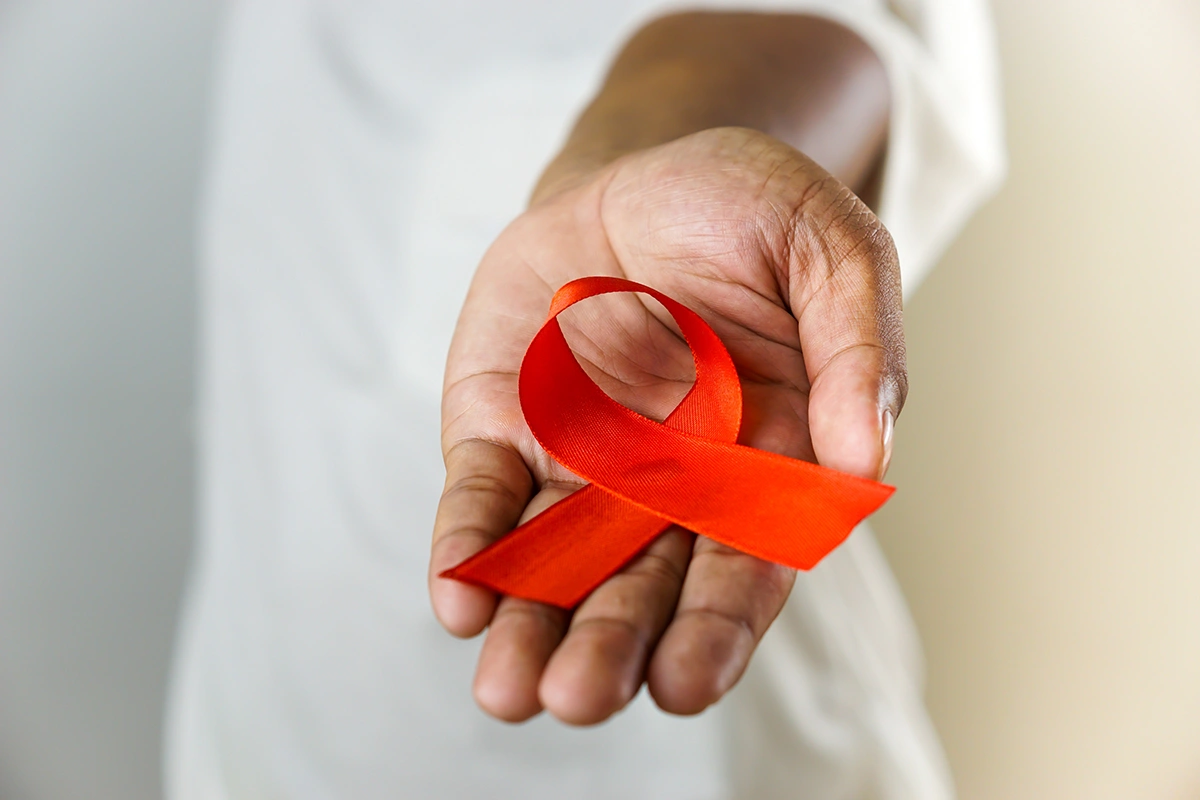
HIV (Human Immunodeficiency Virus) is one of the most widely recognised infectious diseases globally, often associated with serious health consequences and long-term impact on quality of life. Many individuals who receive a diagnosis, or who are concerned about possible exposure, naturally worry about how it may affect their future, their relationships and their ability to live life as they did before. Many also wonder how feasible it is to be fully cured of this disease.
Rather than focusing solely on a cure, modern medicine places strong emphasis on effective treatment and long-term management, allowing individuals with HIV to lead healthy, active lives.
It is important to understand how HIV is managed today, the effects that current treatments can realistically achieve and how these approaches help patients make informed decisions about their care.
What Happens When Someone Has HIV?
When a person is infected with HIV, the virus targets the body’s immune system, specifically the CD4 cells, which are responsible for coordinating the body’s defence against infections. HIV enters these cells, replicates within them and gradually destroys them, reducing the body’s ability to respond effectively to bacteria, viruses and other threats.
As the number of CD4 cells declines, the immune system becomes progressively weakened. Without treatment, this can advance to AIDS (Acquired Immunodeficiency Syndrome), which is the most severe stage of HIV infection.
At this stage, the immune system is no longer able to mount an effective defence, allowing opportunistic infections and certain cancers to spread unchecked. The collapse of the immune system in this manner is often fatal.
However, this progression does not happen overnight, and with modern treatment, it can often be effectively prevented. Early diagnosis plays a critical role in preserving the immune system before this damage becomes permanent.
Is There a Cure for HIV Today?
At present, there is no widely available cure for HIV. While there have been rare cases of long-term remission, they typically involved highly complex and experimental procedures, such as stem cell transplants, which are not suitable or accessible for routine treatment.
One of the main challenges in curing HIV lies in the virus’s ability to remain hidden within the body’s cells. Even when treatment is effective, HIV can persist in inactive reservoirs, making it difficult to completely eliminate.
As a result, the focus of care today is not on curing the virus, but on controlling it. With modern treatment, HIV can be effectively suppressed, allowing the immune system to remain strong and significantly reducing the risk of transmission.
How HIV Is Treated and Managed Long-Term
Modern HIV treatment focuses on suppressing the virus before it damages the immune system permanently. This is achieved through a combination of treatment and prevention strategies for individuals at different stages of exposure.
Antiretroviral Therapy
Antiretroviral therapy, or ART, is the primary treatment for individuals diagnosed with HIV. It involves a combination of medications that target different stages of the virus’s life cycle. Rather than eliminating the virus completely, ART reduces the viral load to very low levels, allowing the immune system to recover and function more effectively.
ART is typically taken as a daily oral regimen. With consistent use, ART can suppress the virus to what is known as an undetectable level. This means the amount of HIV in the blood is so low that it cannot be detected by standard tests. Achieving an undetectable viral load is not only important for the patient’s health, but also plays a key role in preventing transmission.
Individuals who maintain an undetectable viral load through strict adherence to ART do not transmit HIV to their sexual partners. This has fundamentally changed how HIV is managed, shifting it from a life-limiting condition to a controllable chronic disease.
PrEP (Pre-Exposure Prophylaxis)
Pre-exposure prophylaxis, or PrEP, is designed for individuals who do not have HIV but are at higher risk of contracting it. It involves taking medication before potential exposure to reduce the likelihood of infection.
PrEP works by maintaining protective levels of medication in the body. If exposure to HIV occurs, the medication can prevent the virus from establishing an infection. When taken consistently as prescribed, PrEP is highly effective in reducing the risk of sexual transmission.
This option is commonly recommended for individuals with HIV-positive partners, those with multiple sexual partners or those who engage in higher-risk sexual activity. Regular medical follow-up is required to ensure appropriate use and ongoing protection.
PEP (Post-Exposure Prophylaxis)
Post-exposure prophylaxis, or PEP, is an emergency intervention used after a potential exposure to HIV. It involves a short course of antiretroviral medications taken over 28 days to reduce the risk of infection.
PEP must be started as soon as possible, ideally within 72 hours of exposure, to be effective. The treatment works by preventing the virus from replicating and establishing itself in the body during the early stages after exposure.
It is typically used in situations such as unprotected sex, condom failure or accidental exposure to bodily fluids. Unlike PrEP, PEP is not intended for ongoing prevention, but rather as a time-sensitive response to specific risk events.
With consistent treatment, individuals with HIV can achieve long-term viral suppression, preserve immune function and live with near-normal life expectancy.
Why Early Testing and Treatment Matter When HIV Is Suspected
Early testing plays a critical role in the effective management of HIV. When the virus is identified early, medical intervention can begin before significant damage is done to the immune system. Earlier treatment can prevent progression to AIDS and reduce the risk of severe infections and long-term consequences.
Early treatment also plays an important role in reducing transmission risk. Individuals who begin treatment and achieve viral suppression are far less likely to pass the virus to others, especially when combined with safe practices and medical guidance.
And for those who have suspected exposures, post-exposure prophylaxis (PEP) provides an opportunity to completely prevent infection if started early.
With timely care, individuals can maintain good health, avoid complications and continue with normal daily activities.
When Should You See a Men’s Health Doctor for HIV Testing or Care?
Knowing when to seek medical advice is important, especially after potential exposure or when symptoms arise. Early evaluation allows for timely testing, appropriate treatment and peace of mind.
You should consider seeing a men’s health doctor for an HIV screening if you:
- Have had unprotected sex or any potential exposure to HIV, including condom failure or contact with bodily fluids
- Experience symptoms such as discharge, sores or pain during urination
- Are sexually active and require routine screening, especially if you have multiple partners
- Have a partner who has been diagnosed with HIV and need risk assessment or preventive care such as PrEP or PEP
Living Well with Ongoing HIV Management and Care
With modern treatment, HIV is now considered a manageable chronic condition rather than an automatically terminal disease. Individuals who receive appropriate care and adhere to treatment can maintain their quality of life.
Ongoing management and routine testing remain important aspects of HIV management, allowing doctors to address treatment effectiveness and make adjustments where necessary.
If you are concerned about possible exposure or have symptoms affecting your urinary or sexual health, it is important to seek medical advice early. Dr Tan Medical Center is a men’s health clinic that offers focused treatment and screening for sexually transmitted diseases such as HIV. Under our care, patients are able to receive discreet and structured evaluation tailored to individual needs.
Led by Dr Tan Kok Kuan, our men’s health and sexual health doctor, the clinic provides confidential testing, personalised treatment and ongoing care to support your health and wellbeing. Contact us today to arrange a confidential consultation and take the next steps.
Our Doctor

Our Doctor
Dr Tan Kok Kuan
Men’s Health & Sexual Health Doctor
MBBS (S’pore), Cert. Men’s Health, Cert. Clinical Dermatology,Member, Academy for Men’s Health (Singapore)Member, Singapore Association for the Study of ObesityMember, International Society of Sexual Medicine
Dr Tan Kok Kuan is an experienced doctor specialising in men's health, sexual health and medical weight loss. With over 20 years of clinical experience, he offers confidential and effective screening and treatment services. Notably, Dr Tan was one of the key authors of Singapore’s National HIV PrEP Guidelines and the national blueprint to end HIV transmission by 2030. Dr Tan frequently speaks at local and international conferences and has been featured in the media, where he helps raise public awareness around men’s health and sexual health.
“Every patient deserves our fullest attention.”

10 Sinaran Drive #09-30, Novena Medical Centre, Singapore 307506
Tel: (+65) 6513 0359 | WhatsApp: (+65) 9750 5037
Operating Hours:
Monday to Friday: 8:30 AM to 6:30 PM
Saturday: 9:00 AM to 2:00 PM
Closed on Sundays and Public Holidays


