

Can Adult Phimosis Be Cured Without Circumcision?
Blog
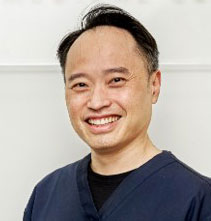
Dr Tan Kok Kuan
Men’s Health & Sexual Health Doctor
MBBS (S’pore), Cert. Men’s Health, Cert. Clinical Dermatology,Member, Academy for Men’s Health (Singapore)Member, Singapore Association for the Study of ObesityMember, International Society of Sexual Medicine

Phimosis is a condition where the foreskin is too tight to retract comfortably over the head of the penis. It is more common in children and often resolves naturally as the foreskin develops. However, phimosis can persist into adulthood or develop later because of inflammation, infection, a skin condition or scarring.
Adult phimosis can sometimes be treated without circumcision, particularly when there is little scarring and the underlying cause responds to medical treatment. In this article, we explain when adult phimosis could become a problem, which non-surgical treatments may be considered and when circumcision may be medically recommended.
When Does Adult Phimosis Become a Problem?
Adult phimosis becomes a problem when foreskin tightness causes discomfort, interferes with normal function or makes it difficult to maintain hygiene. Symptoms that should be assessed by a doctor include:
- Difficulty or pain when retracting the foreskin
- Painful erections or discomfort during sexual activity
- Cracking, tearing or bleeding around the foreskin
- Difficulty cleaning beneath the foreskin
- Recurrent redness, swelling or inflammation
- Discharge or an unpleasant smell beneath the foreskin
- Pain when urinating, a weak urine stream or ballooning of the foreskin
Tightness that develops or worsens during adulthood should also be assessed, even if the symptoms initially appear manageable. It may be associated with repeated inflammation, infection, a skin condition or scarring. Identifying the cause helps determine whether non-surgical treatment is likely to work.
When Is Phimosis a Medical Emergency?
You should seek emergency medical attention if the foreskin has been pulled behind the head of the penis and cannot be returned to its normal position. This is known as paraphimosis. The trapped foreskin can cause increasing pain and swelling and may restrict blood flow to the penis.
Urgent care is also required if you cannot pass urine or if the head of the penis becomes severely swollen, painful or discoloured. Do not attempt to force the foreskin back into position, as this may cause further injury or delay appropriate treatment.
Once the immediate problem has been treated, follow-up assessment may be recommended to identify why it occurred and reduce the likelihood of recurrence. The doctor can examine the foreskin for tightness, inflammation or scarring and discuss whether non-surgical treatment remains suitable.
What Determines Whether Adult Phimosis Can Be Treated Without Circumcision?
Non-surgical treatment may be suitable when the foreskin remains flexible, there is little established scarring and an underlying cause can be treated. A doctor will consider factors such as:
- Severity of the tightness: A foreskin that can still retract partially may be more responsive to conservative treatment than one with a very narrow opening.
- Underlying cause: Phimosis related to treatable inflammation or infection may improve once the underlying condition is managed.
- Condition of the foreskin: Soft, flexible tissue with little or no scarring may respond better to prescribed topical treatment and careful stretching.
- Response to treatment: Early improvement in flexibility and symptoms may indicate that non-surgical treatment should be continued under medical guidance.
An examination helps determine whether conservative treatment can be attempted safely. Circumcision may be discussed when there is established scarring, severe tightness or an underlying skin condition that is unlikely to respond sufficiently to non-surgical treatment. It may also provide a more reliable long-term solution when phimosis persists or returns despite appropriate treatment.
What Non-Surgical Treatments Are Available for Adult Phimosis?
Non-surgical treatment for adult phimosis may include prescribed topical corticosteroids, gentle foreskin stretching and treatment of any underlying inflammation or infection. The recommended approach depends on the findings during the medical assessment.
Prescribed Topical Corticosteroids
A doctor may prescribe a topical corticosteroid to apply to the tightest part of the foreskin. This can reduce inflammation and help soften the tissue, allowing the foreskin to become more flexible over time.
The medication should be used at the prescribed strength and for the recommended duration. Applying an unsuitable product or continuing treatment for too long can irritate or thin the skin.
Guided Foreskin Stretching
In selected cases where there is little or no scarring, a doctor may recommend gentle stretching alongside prescribed topical treatment. The foreskin should only be moved as far as is comfortable and the technique should be stopped if it causes pain, cracking or bleeding.
Stretching may not be suitable when the foreskin is scarred or affected by an underlying skin condition. Forceful retraction can cause small tears that heal with further scarring, potentially making the phimosis worse. A doctor should therefore determine whether stretching is appropriate before it is attempted.
Treatment of Inflammation or Infection
If swelling or tightness is related to balanitis, a fungal infection or a bacterial infection, treating that condition may improve foreskin movement. Treatment may involve an antifungal medicine, an antibiotic or another prescribed medication depending on the cause.
Recurrent inflammation may also prompt an assessment for contributing conditions such as diabetes or an underlying skin disorder. Treating the immediate infection without addressing these factors may allow the problem to return.
Non-surgical treatment does not work for every adult and improvement may not always be permanent. Follow-up appointments across the treatment period will allow the doctor to assess whether the foreskin is becoming easier to retract and whether symptoms are resolving or recurring.

Finding Non-Surgical Treatment for Adult Phimosis With Dr Tan Kok Kuan
While there are options for treating phimosis without surgery, a medical assessment is important to identify the underlying factors and determine whether non-surgical treatment is likely to provide safe and lasting improvement. In certain cases, particularly medical emergencies, it may not always be advisable to avoid circumcision.
At Dr Tan Medical Center, Dr Tan Kok Kuan, our men’s health & sexual health doctor, provides confidential assessment and treatment for adult phimosis. With over 20 years of clinical experience, Dr Tan understands that foreskin concerns can be uncomfortable or difficult to discuss. He approaches each consultation sensitively, taking the time to understand the patient’s symptoms, concerns and treatment preferences.
Book an appointment at our clinic to discuss your symptoms and receive a treatment recommendation.
Frequently Asked Questions About Adult Phimosis Treatment
Can adult phimosis go away on its own?
Can adult phimosis return after non-surgical treatment?
Can phimosis affect sexual activity?
Meet Our Doctor
Meet Our Doctor
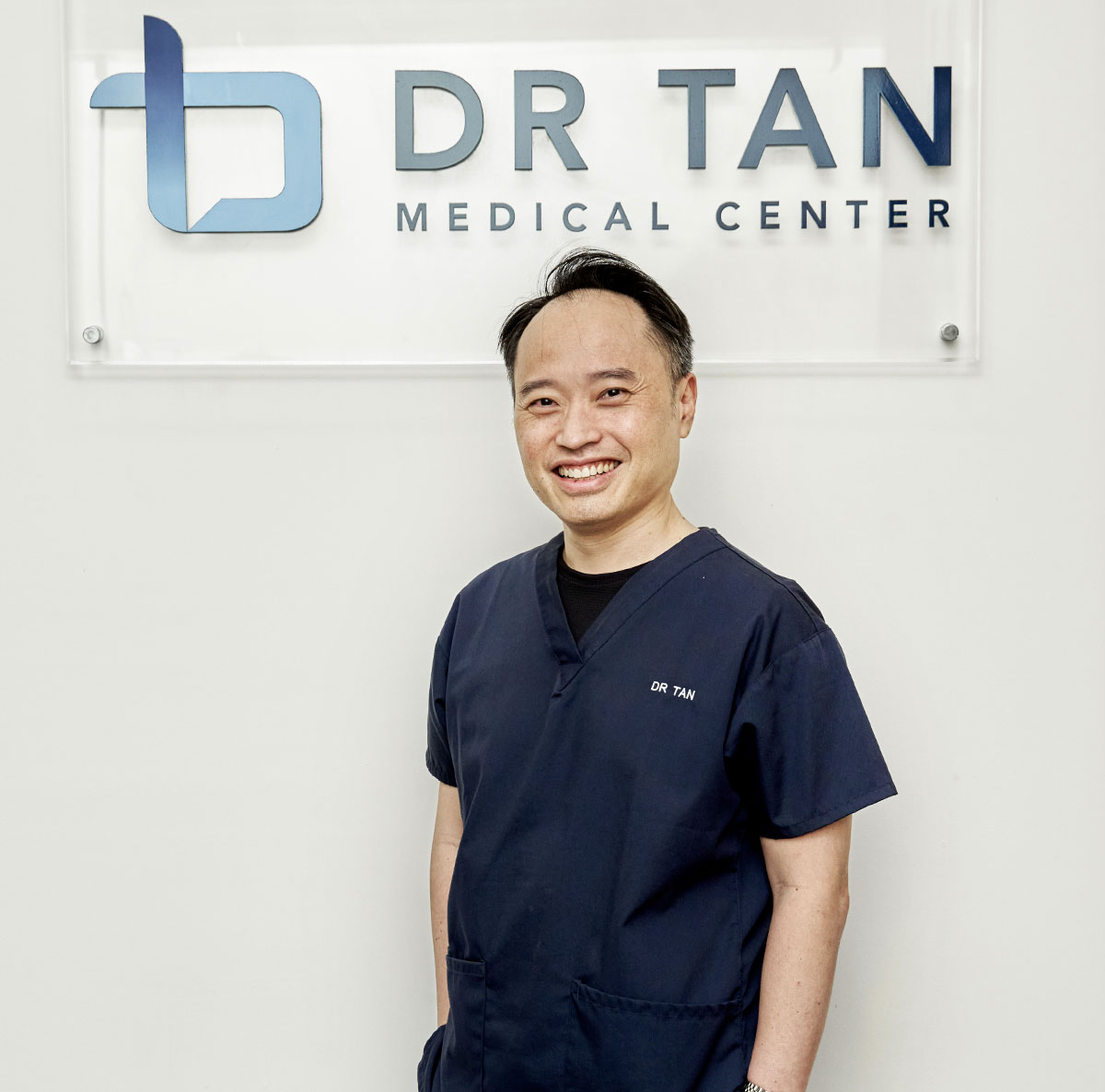
Dr Tan Kok Kuan
Men’s Health & Sexual Health Doctor
MBBS (S’pore), Cert. Men’s Health, Cert. Clinical Dermatology,Member, Academy for Men’s Health (Singapore)Member, Singapore Association for the Study of ObesityMember, International Society of Sexual Medicine
Dr Tan Kok Kuan is an experienced doctor specialising in men's health, sexual health and medical weight loss. With over 20 years of clinical experience, he offers confidential and effective screening and treatment services. Notably, Dr Tan was one of the key authors of Singapore’s National HIV PrEP Guidelines and the national blueprint to end HIV transmission by 2030. Dr Tan frequently speaks at local and international conferences and has been featured in the media, where he helps raise public awareness around men’s health and sexual health.
“Every patient deserves our fullest attention.”

10 Sinaran Drive #09-30, Novena Medical Centre, Singapore 307506
Tel: (+65) 6513 0359 | WhatsApp: (+65) 9750 5037
Operating Hours:
Monday to Friday: 8:30 AM to 6:30 PM
Saturday: 9:00 AM to 2:00 PM
Closed on Sundays and Public Holidays


