

What Should You Do After Being Diagnosed With an STD?
Blog

Dr Tan Kok Kuan
Men’s Health & Sexual Health Doctor
MBBS (S’pore), Cert. Men’s Health, Cert. Clinical Dermatology,Member, Academy for Men’s Health (Singapore)Member, Singapore Association for the Study of ObesityMember, International Society of Sexual Medicine
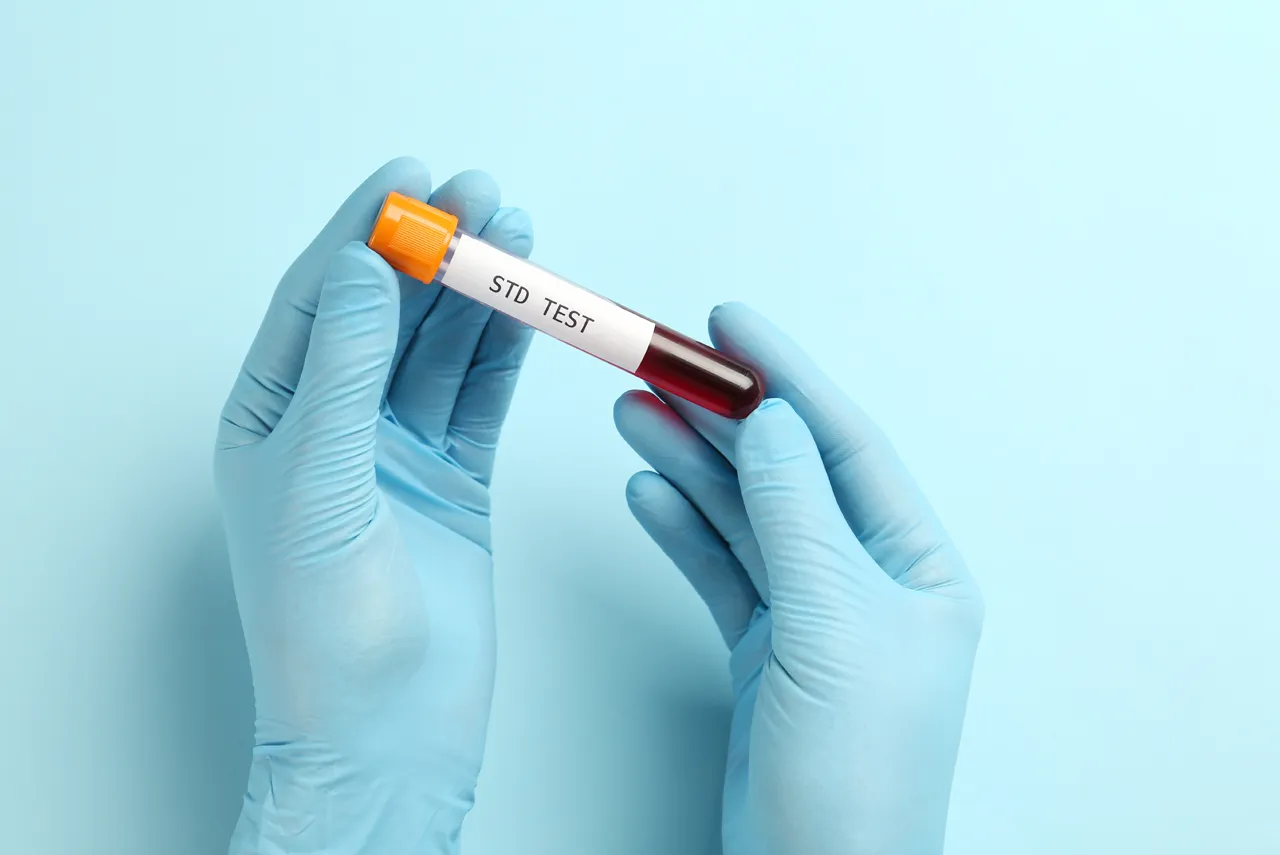
Receiving a positive result for a sexually transmitted disease (STD) can be unsettling, particularly if you are unsure what the diagnosis means for your health or how it may affect your sexual partners. Knowing what to do next can help you address the infection and reduce the risk of further complications.
After a positive STD test, the next steps generally involve reviewing your results with a doctor, receiving appropriate treatment and informing sexual partners who may have been exposed. Depending on the infection, follow-up care or additional testing may also be necessary.
Even when you have no noticeable symptoms, receiving the right care can help prevent complications and further spread. Understanding what your diagnosis involves and following the recommended care plan can help you manage the infection and reduce the risk of transmitting it to others.
Key Takeaways
- Consult a doctor promptly after a positive STD result to understand your diagnosis and begin appropriate treatment.
- Complete your prescribed treatment and avoid sexual activity until your doctor advises that it is appropriate to resume.
- Inform sexual partners who may have been exposed so they can arrange testing and treatment where necessary.
- Follow-up testing may be recommended to confirm treatment success or check for reinfection.
- Practising safer sex and attending appropriate STD screenings can reduce the risk of future infections.
Why Is It Important to Seek Medical Attention Promptly After an STD Diagnosis?
Seeking medical attention promptly after a positive STD test allows a doctor to review your results, determine whether further testing is needed and recommend appropriate treatment. Delaying care can allow certain infections to progress or increase the likelihood of transmission to sexual partners.
Some STDs can cause complications even when symptoms are mild or absent. Starting treatment early can reduce the risk of these complications and help prevent the infection from spreading further.
Certain situations also require more urgent intervention. For example, sexual partners who may have been exposed to HIV within the previous 72 hours should seek immediate medical assessment for post-exposure prophylaxis (PEP), as its effectiveness depends on starting treatment promptly.
What Are the First Steps in Managing a Positive STD Diagnosis?
Once you receive a diagnosis, you should seek specialist advice at an STD treatment clinic in Singapore. Your doctor will aid you in establishing the appropriate treatment, taking precautions against further transmission and notifying sexual partners who may have been exposed.
Discuss Your Results and Start Treatment
Your doctor will review your test results to establish which infection has been identified, whether additional testing is needed and which form of STD treatment is appropriate.
Bacterial STDs can generally be cured with antibiotics. Some, such as gonorrhoea and syphilis, are commonly treated with injections, while others, such as chlamydia, are usually treated with oral medication. Viral infections such as genital herpes and HIV require different medicines to control the infection.
Follow your prescribed treatment even if symptoms improve. Avoid stopping medication early or using leftover antibiotics, as inappropriate treatment may leave the infection unresolved.
Avoid Sexual Contact Until Medically Advised
Avoid vaginal, anal and oral sex until your doctor advises that it is appropriate to resume. For bacterial STDs, this usually involves completing treatment and waiting for the recommended period. Relevant sexual partners may also need treatment to prevent the infection from being passed back and forth.
For viral infections, precautions depend on how the infection is managed. People with genital herpes should avoid sexual contact during outbreaks, while consistent HIV treatment can prevent sexual transmission once an undetectable viral load has been achieved and maintained.
Your doctor can explain when it is appropriate to resume sexual activity and what precautions remain necessary. Improving symptoms alone should not be used to determine whether an infection can still be transmitted.
Inform Sexual Partners Who May Have Been Exposed
Informing sexual partners about a positive STD diagnosis allows them to arrange testing and receive treatment where necessary, even if they have no symptoms.
Your doctor can advise which partners should be contacted based on the infection and your sexual history. A positive result does not necessarily establish when or from whom an infection was acquired, so notification should focus on communicating the diagnosis and encouraging appropriate medical assessment.
If contacting a partner directly is difficult or unsafe, your doctor may be able to advise on alternative notification arrangements.
What Follow-Up Is Needed After STD Treatment?
Your doctor may recommend further testing or review after treatment, depending on the infection and how well you have responded.
Attend Recommended Follow-Up Testing
Follow-up testing may be used to confirm that treatment has cleared an infection or to check whether you have become infected again. These tests serve different purposes and may be scheduled at different times.
For instance, repeat screening around three months after treatment for chlamydia or gonorrhoea is commonly recommended to detect reinfection. Your doctor will advise whether an earlier test is necessary and when it should be performed, as testing too soon can sometimes produce misleading results.
Seek Medical Review if Symptoms Persist or Return
If symptoms continue, worsen or return after treatment, arrange another medical review. This may happen when the original infection has not cleared, reinfection has occurred or another condition is causing the symptoms.
Your doctor can review your response to medication and determine whether additional tests or changes to treatment are necessary. Avoid taking further antibiotics without medical advice, as this may delay identifying the underlying cause. If symptoms become severe, particularly if you experience intense pelvic or testicular pain accompanied by fever, seek urgent medical attention rather than waiting for a routine follow-up appointment.
How Can You Reduce the Risk of STD Reinfection?
Once treatment has been completed and you can resume sexual activity, maintaining appropriate precautions can help reduce the likelihood of another infection.
Use Protection When Resuming Sexual Activity
Using condoms correctly and consistently can lower the risk of transmitting or acquiring many STDs. However, infections such as genital herpes and human papillomavirus (HPV) can spread through contact with skin that a condom does not cover.
Discussing sexual health and testing with partners is also part of maintaining safe sex practices. Knowing whether a partner has been tested or requires treatment can help you make informed decisions about sexual contact.
Consider Vaccination and Future STD Screening
Vaccination can provide protection against certain infections, including HPV and hepatitis B. Your doctor can review your vaccination history and advise whether these vaccines are appropriate for you.
Future STD screening may also be recommended based on your sexual practices and potential exposure. Testing is particularly relevant when you have new sexual partners, as some infections can develop without noticeable symptoms.
For individuals at increased risk of HIV, pre-exposure prophylaxis (PrEP) may be another option to discuss with a doctor. This preventive medication reduces the risk of acquiring HIV when taken as prescribed.

Seek Timely STD Treatment With Dr Tan Kok Kuan
Delaying medical care after a positive STD result can allow an infection to progress and increase the risk of complications or further transmission. Even if you feel well, arranging a medical consultation promptly can help ensure that appropriate treatment begins without unnecessary delay.
At Dr Tan Medical Center, Dr Tan Kok Kuan provides STD assessment, treatment and follow-up care in Singapore. He can review your test results, assess whether additional investigations are needed and recommend suitable treatment based on the infection diagnosed. Dr Tan may also be able to provide advice on the sensitive topic of partner notification, as well as further testing.
If you have received a positive STD result, arrange a consultation with Dr Tan to review your diagnosis and begin the appropriate course of care.
Frequently Asked Questions
Can an STD test give a false-positive result?
Yes, although the likelihood depends on the infection and the type of test used. Some initial positive results, particularly for HIV or syphilis, require further testing to confirm the diagnosis. If your result is unexpected, speak with your doctor about whether additional testing is needed before drawing conclusions.
Can an STD affect your fertility?
Certain untreated STDs, particularly chlamydia and gonorrhoea, can cause inflammation that may damage the reproductive organs. This can affect fertility in women and, less commonly, men. However, a positive diagnosis does not mean your fertility has been affected. Early treatment can reduce the risk of complications.
Will your STD diagnosis be kept confidential in Singapore?
STD test results are generally protected as confidential medical information in Singapore. However, certain infections must be reported to health authorities under the Infectious Diseases Act. Notifications for chlamydia, gonorrhoea and syphilis do not require personal identifiers, while HIV has different reporting requirements. Your doctor can explain how confidentiality applies to your individual diagnosis.
Meet Our Doctor

Meet Our Doctor
Dr Tan Kok Kuan
Men’s Health & Sexual Health Doctor
MBBS (S’pore), Cert. Men’s Health, Cert. Clinical Dermatology,Member, Academy for Men’s Health (Singapore)Member, Singapore Association for the Study of ObesityMember, International Society of Sexual Medicine
Dr Tan Kok Kuan is an experienced doctor specialising in men's health, sexual health and medical weight loss. With over 20 years of clinical experience, he offers confidential and effective screening and treatment services. Notably, Dr Tan was one of the key authors of Singapore’s National HIV PrEP Guidelines and the national blueprint to end HIV transmission by 2030. Dr Tan frequently speaks at local and international conferences and has been featured in the media, where he helps raise public awareness around men’s health and sexual health.
“Every patient deserves our fullest attention.”

10 Sinaran Drive #09-30, Novena Medical Centre, Singapore 307506
Tel: (+65) 6513 0359 | WhatsApp: (+65) 9750 5037
Operating Hours:
Monday to Friday: 8:30 AM to 6:30 PM
Saturday: 9:00 AM to 2:00 PM
Closed on Sundays and Public Holidays


