

Testosterone Deficiency (Hypogonadism) in Singapore
Blog
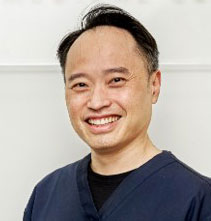
Dr Tan Kok Kuan
Men’s Health & Sexual Health Doctor
MBBS (S’pore), Cert. Men’s Health, Cert. Clinical Dermatology,Member, Academy for Men’s Health (Singapore)Member, Singapore Association for the Study of ObesityMember, International Society of Sexual Medicine
If you’ve been feeling tired, flat, less driven or just not like yourself, it might not just be stress. Testosterone deficiency (hypogonadism) is common in Singaporean men, especially with age. Many men brush it off, but the effects can be real: lower mood, weaker muscles, reduced libido and slower recovery. Recognising these changes can be the first step toward feeling more balanced and steadier again.
What Is Testosterone Deficiency (Hypogonadism)?
Testosterone deficiency, also known as hypogonadism, is a condition in which the body does not produce enough testosterone to meet its normal physiological needs. Testosterone is the primary male sex hormone and plays an important role in regulating sexual function, muscle mass, bone health, mood, energy levels and sperm production.
Although testosterone levels naturally decline with age, some men experience a more significant reduction that results in noticeable symptoms and affects their quality of life. Testosterone production relies on a complex hormonal signalling system involving the hypothalamus and pituitary gland in the brain, which stimulates the testicles to produce testosterone. Testosterone deficiency may occur when the testicles are unable to produce sufficient testosterone or when this hormonal signalling process is disrupted.
What Are the Common Symptoms of Testosterone Deficiency?
The symptoms of low testosterone often develop gradually and can affect both physical and emotional health. Men may experience the following:
Reduced Sex Drive
: A lower interest in sexual activity is one of the earliest and most common signs.Erectile Dysfunction
: Difficulty achieving or maintaining an erection may occur as testosterone levels drop.Fatigue or Low Energy
: Many men feel tired more easily and notice a decline in stamina or motivation.Mood Changes or Irritability
: Hormonal imbalance can lead to mood swings, low mood or decreased motivation.Decreased Muscle Mass and Strength
: Reduced testosterone can cause a gradual loss of muscle tone and physical strength.Increased Body Fat
: Weight gain, particularly around the abdomen, is common in men with low testosterone.Difficulty Concentrating or Memory Lapses
: Some men report trouble focusing or remembering things as hormone levels decline.Low Bone Density (Osteoporosis)
: Weakened bones can occur over time, increasing the risk of fractures.
If these symptoms persist, it is important to consult a men’s health doctor for assessment and appropriate treatment.
What Are the Causes and Risk Factors of Low Testosterone in Men?
Several factors can contribute to testosterone deficiency, ranging from natural ageing to medical or lifestyle-related conditions.
Ageing
: Testosterone levels naturally decline with age, typically beginning after the age of 30 and continuing gradually over time.Obesity and Sedentary Lifestyle
: Excess body fat and lack of physical activity can lower testosterone production and disrupt hormonal balance.Chronic Medical Conditions
: Health issues such as diabetes, high blood pressure and heart disease are linked to reduced testosterone levels.Hormonal Disorders
: Problems affecting the pituitary gland or hypothalamus can interfere with the body’s ability to produce or regulate testosterone.Medications
: Certain drugs, including steroids, opioids and some antidepressants, can suppress testosterone production.Excessive Alcohol or Substance Use
: Heavy alcohol consumption or substance abuse can damage hormone-producing glands and further reduce testosterone levels.
When Should You Seek Help for Low Testosterone?
Occasional changes in energy, mood or sexual function are common and are not always caused by low testosterone. However, it may be appropriate to seek medical advice if you experience one or more of the following:
- Persistent fatigue or reduced energy levels despite adequate rest
- Ongoing low mood, irritability or reduced motivation
- Difficulty concentrating or memory problems that persist over time
- Symptoms that interfere with your work, relationships or overall quality of life
Seeking medical advice early can help determine whether your symptoms are related to testosterone deficiency or another underlying condition, allowing appropriate treatment to begin if needed.
How Do Specialists Diagnose Low Testosterone?
As many symptoms of low testosterone can overlap with those of other medical conditions, an accurate diagnosis requires more than symptoms alone. A comprehensive assessment helps determine whether testosterone deficiency is contributing to your symptoms and whether treatment is appropriate.
At Dr Tan Medical Center, the diagnostic process may include:
- Detailed medical history to review symptoms, lifestyle factors and any underlying health conditions
- Physical examination to assess overall health, body composition and signs of hormonal imbalance
- Blood tests to measure testosterone and related hormone levels, helping confirm the diagnosis and guide treatment
What Are the Treatment Options for Low Testosterone?
Treatment for low testosterone depends on the underlying cause, the severity of your symptoms and whether your hormone levels are confirmed to be below the normal range. The goal of treatment is not only to restore testosterone levels where appropriate, but also to improve symptoms, address contributing factors and support long-term health.
Lifestyle Modifications
Healthy lifestyle habits can support testosterone production, improve overall hormonal health and help manage symptoms associated with low testosterone. Your doctor may recommend:
- Maintaining a healthy weight through regular physical activity
- Combining strength training with aerobic exercise
- Eating a balanced diet rich in essential nutrients and healthy fats
- Getting 7–8 hours of quality sleep each night
- Managing stress through relaxation techniques such as meditation or deep breathing
- Limiting alcohol consumption and avoiding smoking
While lifestyle changes alone may not correct all forms of testosterone deficiency, they can complement medical treatment and support long-term health outcomes.
Managing Underlying Medical Conditions
Medical conditions such as obesity, diabetes or thyroid disorders can contribute to low testosterone. Treating these conditions and optimising your overall health may help improve hormonal balance and reduce symptoms.
Reviewing Current Medications
Certain medications may affect testosterone production or contribute to symptoms associated with low testosterone. Where appropriate, your doctor may review your current medications and discuss alternative treatment options if they are contributing to your symptoms.
Testosterone Replacement Therapy (TRT)
If you are diagnosed with testosterone deficiency, your doctor may recommend Testosterone Replacement Therapy (TRT) to restore hormone levels. This therapy can be administered in several forms, depending on your health needs and preferences:
- Topical gels or creams applied to the skin for gradual hormone absorption
- Injections that deliver controlled doses of testosterone at regular intervals
- Oral medications formulated to maintain stable hormone levels
- Testosterone patches that provide a steady release of testosterone through the skin
TRT can help improve energy, mood, libido and muscle strength, enhancing overall quality of life. At Dr Tan Medical Center, Dr Tan Kok Kuan develops individualised treatment plans to ensure safe, effective and closely monitored therapy tailored to each patient’s needs.
What Are the Benefits of Testosterone Replacement Therapy?
For men with clinically confirmed testosterone deficiency, TRT may help relieve symptoms associated with low testosterone and improve overall quality of life. While individual responses vary, potential benefits may include:
Improved Energy Levels
Many men notice improvements in energy, stamina and reduced feelings of fatigue as testosterone levels are restored.
Increased Sex Drive and Sexual Function
TRT may help improve libido and, in some men, contribute to better sexual function and overall sexual satisfaction.
Better Mood and Mental Wellbeing
Restoring testosterone levels may help improve mood, motivation and emotional wellbeing while reducing feelings of irritability or low mood associated with testosterone deficiency.
Increased Muscle Mass and Strength
Combined with regular exercise and a healthy lifestyle, TRT may help increase lean muscle mass and improve physical strength.
Improved Bone Health
Maintaining healthy testosterone levels supports bone mineral density, which may help reduce the risk of osteoporosis and fractures over time.
What Are the Potential Side Effects of TRT?
While TRT can provide significant benefits, it may not be suitable for everyone. Some men may experience side effects such as:
Acne or Oily Skin
Increased testosterone can stimulate oil glands, leading to breakouts.
Sleep Apnoea
TRT may worsen existing sleep-related breathing issues in certain individuals.
Breast Enlargement
Hormonal changes may cause swelling or tenderness in the chest area.
Prostate Conditions
Men with prostate conditions should be carefully monitored, as testosterone can affect prostate growth.
Fertility Issues
TRT can reduce sperm production and may impact fertility.
A thorough evaluation and ongoing monitoring by a qualified men’s health doctor are essential to ensure that TRT is safe, effective and appropriate for each patient’s individual needs.
Early Intervention for Testosterone Deficiency by Dr Tan Kok Kuan
Testosterone deficiency can have a significant impact on your physical health, emotional wellbeing and quality of life, but it is a treatable condition when properly assessed. Whether your symptoms are managed through lifestyle changes, treatment of underlying medical conditions or TRT, early evaluation helps ensure you receive the most appropriate care for your individual needs.
At Dr Tan Medical Center, Dr Tan Kok Kuan provides comprehensive assessments and personalised treatment for men with testosterone deficiency and other men's health concerns. By identifying the underlying cause of your symptoms and tailoring treatment accordingly, he aims to help patients achieve safe, effective and sustainable improvements in their hormonal health.
If you are experiencing symptoms of low testosterone, contact us to arrange a confidential consultation with Dr Tan Kok Kuan and discuss the treatment options available to you.
Frequently Asked Questions About Low Testosterone Treatment
How long does testosterone replacement therapy take to show results?
Are the results from testosterone replacement therapy permanent?
What happens if low testosterone is left untreated?
Can low testosterone fix itself?
What are the risks of suddenly stopping testosterone therapy?
Our Doctor
Our Doctor
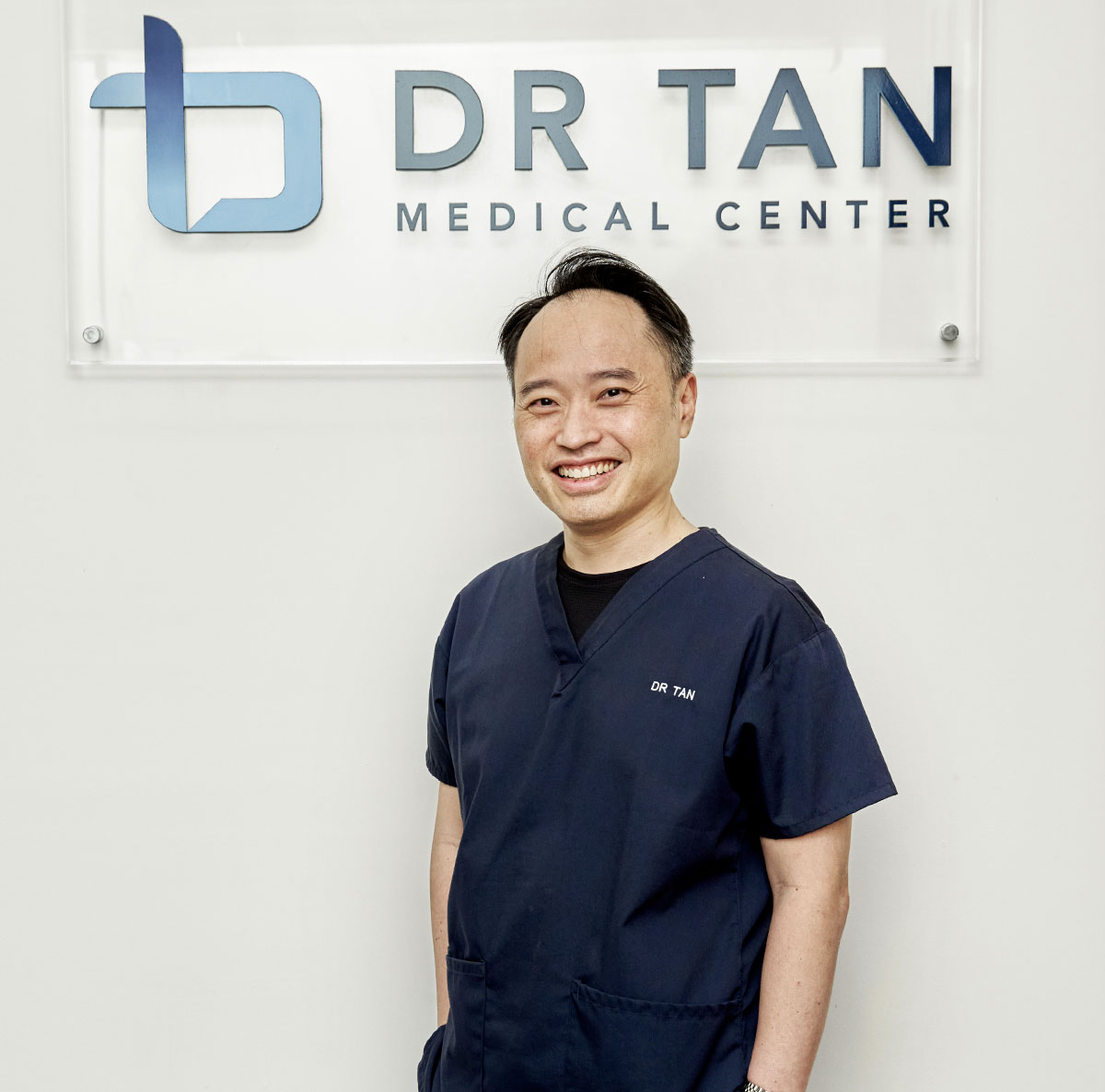
Dr Tan Kok Kuan
Men’s Health & Sexual Health Doctor
MBBS (S’pore), Cert. Men’s Health, Cert. Clinical Dermatology,Member, Academy for Men’s Health (Singapore)Member, Singapore Association for the Study of ObesityMember, International Society of Sexual Medicine
Dr Tan Kok Kuan is an experienced doctor specialising in men's health, sexual health and medical weight loss. With over 20 years of clinical experience, he offers confidential and effective screening and treatment services. Notably, Dr Tan was one of the key authors of Singapore’s National HIV PrEP Guidelines and the national blueprint to end HIV transmission by 2030. Dr Tan frequently speaks at local and international conferences and has been featured in the media, where he helps raise public awareness around men’s health and sexual health.
“Every patient deserves our fullest attention.”

10 Sinaran Drive #09-30, Novena Medical Centre, Singapore 307506
Tel: (+65) 6513 0359 | WhatsApp: (+65) 9750 5037
Operating Hours:
Monday to Friday: 8:30 AM to 6:30 PM
Saturday: 9:00 AM to 2:00 PM
Closed on Sundays and Public Holidays


