

Why STD Screening Matters Even Without Symptoms
Blog

Dr Tan Kok Kuan
Men’s Health & Sexual Health Doctor
MBBS (S’pore), Cert. Men’s Health, Cert. Clinical Dermatology,Member, Academy for Men’s Health (Singapore)Member, Singapore Association for the Study of ObesityMember, International Society of Sexual Medicine
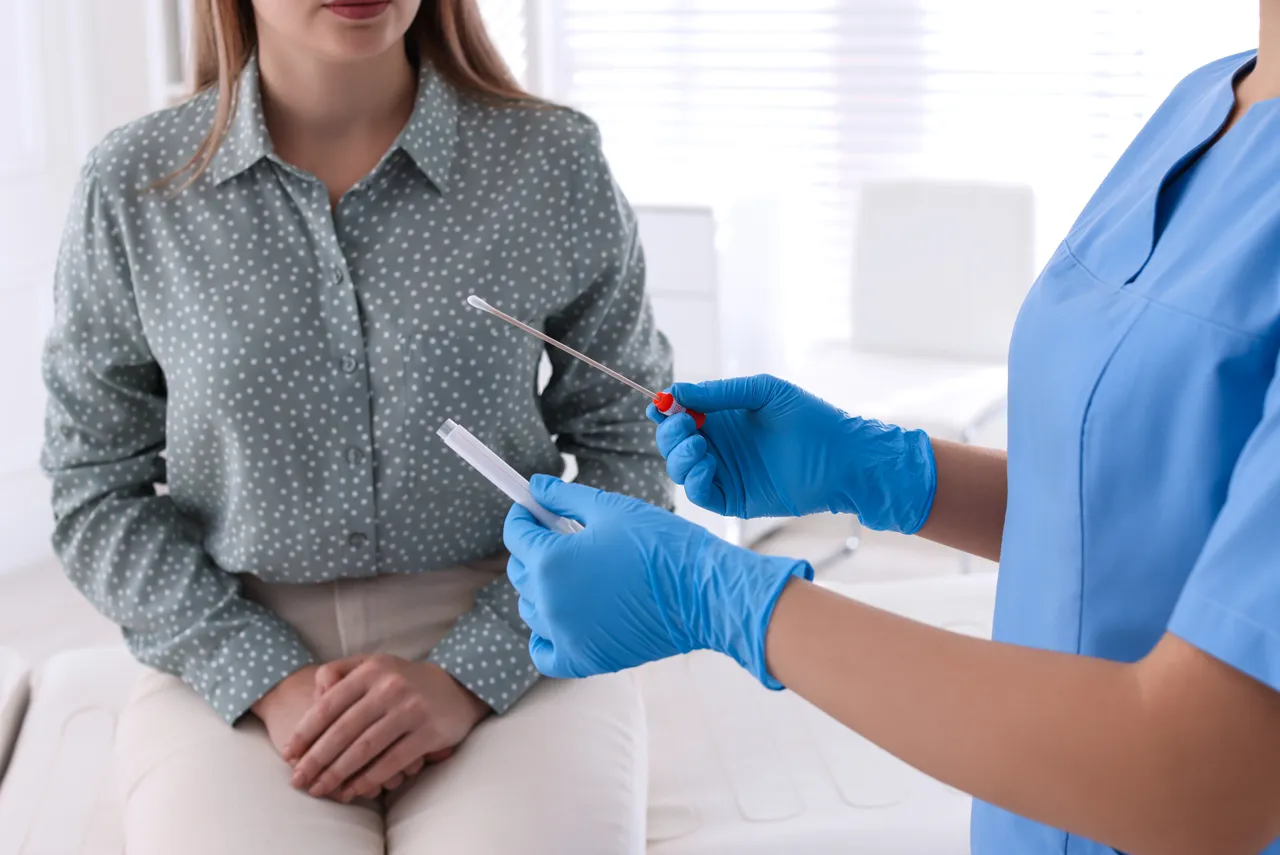
Sexually transmitted diseases (STDs) are often associated with noticeable changes in the body, such as discomfort, unusual discharge or visible sores. However, many STDs can first develop without causing noticeable symptoms, meaning you could have an infection without realising it. This can make it difficult to recognise when your sexual health may be at risk, particularly if you and your partner both feel completely healthy.
Without obvious warning signs, infections may go undetected and potentially lead to health complications or transmission to sexual partners. This makes STD screening an important consideration for sexually active individuals, even when there are no symptoms to suggest an infection.
Understanding how asymptomatic STDs occur, the risks they carry and when screening is recommended can help you take appropriate steps to protect your sexual health.
Why Can Sexually Transmitted Diseases Go Unnoticed?
Sexually transmitted diseases can go unnoticed when an infection does not cause an obvious physical reaction or produces symptoms that are too mild to recognise. The absence of discomfort does not necessarily indicate that the infection has cleared, as some STDs can remain present without causing noticeable problems.
Symptoms may also develop at different stages of an infection. Some individuals experience no symptoms throughout the infection, while others may develop signs weeks or months after exposure. In certain cases, mild changes such as slight discomfort during urination or unusual discharge may be mistaken for temporary irritation or another minor health problem.
Which STDs Commonly Cause No Symptoms?
Several sexually transmitted infections can occur without obvious warning signs, although the likelihood and pattern of symptoms vary.
- Chlamydia: Frequently causes no symptoms, particularly in women, although untreated infections can lead to reproductive health complications.
- Gonorrhoea: Can remain unnoticed, especially when the infection affects the throat or rectum.
- Human papillomavirus (HPV): Most infections cause no noticeable symptoms and clear naturally, although persistent infections involving certain HPV types can cause health complications.
- HIV and syphilis: Both can involve periods without noticeable symptoms, even while the infection remains present.
What Can Happen When an Asymptomatic STD Remains Undetected?
Without timely detection and treatment, certain STDs can lead to health complications or be transmitted to sexual partners. The consequences vary depending on the infection, how long it remains untreated and whether appropriate medical care is received.
Continued Transmission to Sexual Partners
Many STDs can spread through sexual contact regardless of whether symptoms are present. This means someone with an undiagnosed infection may unknowingly transmit it to a partner, who may subsequently pass it on to others.
For example, chlamydia and gonorrhoea can be transmitted even when neither partner experiences noticeable symptoms. This makes screening particularly relevant following potential exposure, when entering a new sexual relationship or when a partner receives an STD diagnosis.
Long-Term Effects on Reproductive and General Health
Some untreated STDs can cause inflammation, tissue damage or other complications that develop without obvious warning signs.
Chlamydia and gonorrhoea can lead to pelvic inflammatory disease (PID) in women, potentially affecting fertility and increasing the risk of ectopic pregnancy. In men, these infections can cause epididymitis, which may occasionally contribute to fertility problems.
Other infections can affect different parts of the body. Untreated syphilis may eventually damage the nervous system and other organs, while persistent infection with certain high-risk HPV types can increase the risk of cervical, anal and oropharyngeal cancers.
The likelihood and severity of these complications differ between infections, making timely screening and appropriate follow-up important for reducing preventable health risks.
When Should You Consider STD Screening Without Symptoms?
STD screening may be appropriate even when you feel healthy, particularly if your sexual history or recent exposure suggests a risk of infection. Several circumstances may warrant testing:
- Sex without a condom: Unprotected sexual contact increases the risk of acquiring certain STDs, although condoms do not eliminate all transmission risks.
- New or multiple sexual partners: Changes in sexual partners can affect your exposure risk and the need for screening.
- A partner diagnosed with an STD: Testing may be recommended following contact with an infected partner, regardless of whether you experience symptoms.
Your doctor can review these circumstances alongside your previous screening results and medical history to determine which tests are appropriate and how frequently screening should be performed.
The timing of testing is also important, particularly following recent exposure. Different STD tests have specific window periods during which an infection may not yet be detectable. Testing too early can therefore produce a negative result despite an existing infection.
Based on the suspected infection and the type of test used, your doctor can recommend when to undergo screening and whether repeat testing is necessary to obtain a more reliable result.

Understanding Your STD Screening Needs With Dr Tan Kok Kuan
The absence of noticeable symptoms may lead people to dismiss the possibility of having an STD, potentially delaying screening and allowing an infection to go undetected. Taking a proactive approach to screening can help identify infections earlier and support informed decisions about your sexual health.
At Dr Tan Medical Center, Men’s Health & Sexual Health Doctor Dr Tan Kok Kuan takes an individualised approach to STD screening and sexual health consultations. Drawing on his clinical experience, he evaluates each patient’s sexual health history, potential exposure risks and screening needs to recommend appropriate tests. He also considers the timing of possible exposure and relevant testing window periods to guide patients on when screening or follow-up testing may be necessary.
If you have concerns about possible STD exposure, arrange a consultation with Dr Tan to discuss whether screening is appropriate and which tests may be recommended.
Frequently Asked Questions (FAQs)
Can an STD go away on its own without treatment?
Some infections, including certain HPV infections, may clear naturally. However, infections such as chlamydia, gonorrhoea and syphilis require appropriate medical assessment and treatment. Waiting for an infection to resolve on its own may delay care and increase the risk of complications.
Can you have more than one STD at the same time?
Yes. Someone can have multiple sexually transmitted infections simultaneously. A diagnosis of one STD may prompt a doctor to recommend testing for other infections.
Can you get an STD again after successful treatment?
Yes. Successful treatment does not provide immunity against most STDs. Reinfection remains possible through subsequent sexual exposure, particularly when an infected partner has not received treatment.
Meet Our Doctor

Meet Our Doctor
Dr Tan Kok Kuan
Men’s Health & Sexual Health Doctor
MBBS (S’pore), Cert. Men’s Health, Cert. Clinical Dermatology,Member, Academy for Men’s Health (Singapore)Member, Singapore Association for the Study of ObesityMember, International Society of Sexual Medicine
Dr Tan Kok Kuan is an experienced doctor specialising in men's health, sexual health and medical weight loss. With over 20 years of clinical experience, he offers confidential and effective screening and treatment services. Notably, Dr Tan was one of the key authors of Singapore’s National HIV PrEP Guidelines and the national blueprint to end HIV transmission by 2030. Dr Tan frequently speaks at local and international conferences and has been featured in the media, where he helps raise public awareness around men’s health and sexual health.
“Every patient deserves our fullest attention.”

10 Sinaran Drive #09-30, Novena Medical Centre, Singapore 307506
Tel: (+65) 6513 0359 | WhatsApp: (+65) 9750 5037
Operating Hours:
Monday to Friday: 8:30 AM to 6:30 PM
Saturday: 9:00 AM to 2:00 PM
Closed on Sundays and Public Holidays


