

What Happens During a Sexual Health Screening Procedure?
Blog

Dr Tan Kok Kuan
Men’s Health & Sexual Health Doctor
MBBS (S’pore), Cert. Men’s Health, Cert. Clinical Dermatology,Member, Academy for Men’s Health (Singapore)Member, Singapore Association for the Study of ObesityMember, International Society of Sexual Medicine
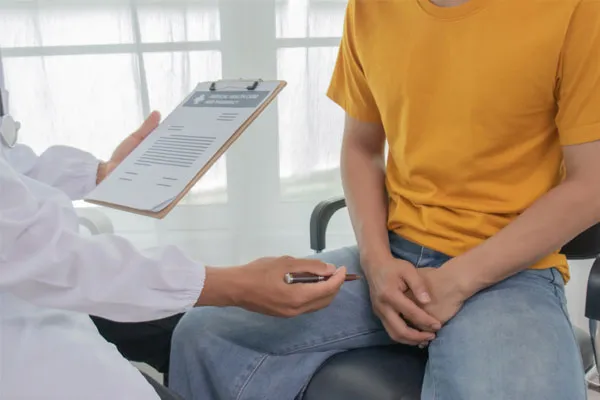
Sexual health screenings are a routine part of preventive healthcare, yet many people are unsure what the process actually involves. If it is your first time going for a sexual health screening, it is natural to feel uncertain and anxious about your upcoming experience.
Understanding what to expect can make the experience more straightforward and less daunting. In order to approach your first appointment with greater clarity and confidence, it is important to understand the process, from the initial consultation to the sampling and testing methods to the follow-up and diagnosis stage.
Why You Might Need a Sexual Health Screening
Sexual health screenings are not only for individuals with symptoms. Many sexually transmitted infections can be present without obvious signs, which means you may not realise when testing is needed. Screening plays an important role in early detection, timely treatment and in reducing the risk of passing infections to others.
You may consider a sexual health screening if you:
- Are sexually active, especially with a new or multiple partners
- Have experienced symptoms such as unusual discharge, pain, itching or sores
- Have had unprotected sexual contact
- Have a partner who has been diagnosed with an STI
- Are planning for pregnancy or undergoing fertility evaluation
What Sexually Transmitted Infections Are Commonly Screened For?
Sexual health screenings are designed to detect a range of common sexually transmitted infections, with the specific tests tailored to your individual risk profile and clinical needs.
Some of the most common STDs in Singapore are:
- Chlamydia and Gonorrhoea
- HIV (Human Immunodeficiency Virus)
- Syphilis
- Hepatitis B and C
- Herpes (HSV)
- Human Papillomavirus (HPV)
Things to Take Note of Before Your Screening
Preparing for your sexual health screening can help ensure more accurate results and a smoother consultation. While your doctor will provide specific instructions based on the tests required, there are several general considerations to keep in mind before your appointment:
- Refrain from sexual activity
- Avoid applying creams or medication to the genital area
- Be prepared and willing to share relevant information
What Tests Are Conducted During a Sexual Health Screening?
The types of tests conducted during a sexual health screening depend on your symptoms, risk factors, potential sources of disease exposure and the doctor’s clinical assessment. Rather than performing every test routinely, your doctor will recommend targeted investigations to ensure accurate and appropriate screening.
Most screenings involve one or more of the following:
Blood Tests
Blood tests are commonly used to detect infections that circulate in the bloodstream. These tests are typically quick and involve a standard blood draw.
They may be used to screen for conditions such as HIV, syphilis and hepatitis B or C.
Swab Tests
Swab tests involve collecting samples from specific areas of the body where infections may be present. The type of swab depends on your exposure and symptoms.
This may include genital swabs, throat swabs or rectal swabs to detect infections like chlamydia and gonorrhoea. Swabs may also be taken from sores or lesions if present.
Urine Tests
Urine samples are a non-invasive way to detect certain bacterial infections. You may be given specific instructions for urine tests ahead of time, such as refraining from urinating for several hours before the test.
Urine tests are commonly used to screen for chlamydia and gonorrhoea, particularly in individuals without symptoms.
What Happens After Your Sexual Health Screening?
After your sexual health screening, the next steps will depend on your test results and individual risk factors. Your doctor will explain how your results will be communicated, the expected waiting time and whether any interim precautions are needed while awaiting results.
Even after testing, follow-up care remains an important part of sexual health management, as some infections may have window periods or require monitoring.
If Results Are Negative
If your results are negative, it means that no infections were detected at the time of testing. In some cases, your doctor may advise repeat testing after a specific period. This is particularly relevant if you were tested shortly after a potential exposure, as certain infections may not be immediately detectable. Regular screening may also be recommended if you are sexually active with new or multiple partners.
Even with a negative result, you should seek medical attention if you develop symptoms such as unusual discharge, pain or sores, as these may require further evaluation. You should also continue to reinforce good sexual health practices. This includes consistent use of protection, routine screening as advised and open communication with partners about testing and sexual health status.
If Results Are Positive
If your screening detects an infection, your doctor will provide clear guidance on treatment and next steps.
Many sexually transmitted infections are treatable, and early management helps reduce the risk of complications and transmission. You may be advised to avoid sexual activity until treatment is completed and, in some cases, until follow-up tests confirm that the infection has cleared.
If you have tested positive for a sexually transmitted condition, it is important to inform any recent sexual partners you have had. This allows them to undergo testing and treatment if needed, helping to prevent reinfection and limit further spread. Your doctor can advise you on how to approach this topic confidentially and appropriately.
STD/STI treatment will depend on the type of infection identified. Treatment may include oral medication, injections or topical therapies. Your doctor will also advise you on any necessary follow-up tests to ensure the infection has been fully treated.
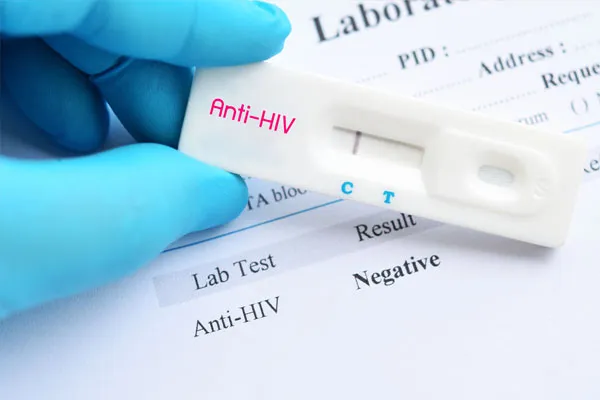
Why Early Detection Matters for Sexually Transmitted Diseases
Sexual health screening plays a vital role in identifying infections early, often before symptoms appear or complications develop. This reduces the risk of long-term health issues and helps prevent further transmission. A clear understanding of your sexual health status also supports you in making more informed decisions about your wellbeing and relationships.
Seeking medical evaluation at the right time ensures that any necessary tests are carefully selected based on your exposure, symptoms and overall risk profile. At Dr Tan Medical Center, patients are supported through a discreet and structured screening process, with a focus on personalised care and clear communication. Dr Tan Kok Kuan, a men’s health and sexual health doctor, provides targeted assessments and evidence-based recommendations to guide each stage of diagnosis and management.
If you have concerns about possible exposure, taking action early can make a meaningful difference. Contact us today to arrange a confidential consultation and take control of your sexual health.
Our Doctor

Our Doctor
Dr Tan Kok Kuan
Men’s Health & Sexual Health Doctor
MBBS (S’pore), Cert. Men’s Health, Cert. Clinical Dermatology,Member, Academy for Men’s Health (Singapore)Member, Singapore Association for the Study of ObesityMember, International Society of Sexual Medicine
Dr Tan Kok Kuan is an experienced doctor specialising in men's health, sexual health and medical weight loss. With over 20 years of clinical experience, he offers confidential and effective screening and treatment services. Notably, Dr Tan was one of the key authors of Singapore’s National HIV PrEP Guidelines and the national blueprint to end HIV transmission by 2030. Dr Tan frequently speaks at local and international conferences and has been featured in the media, where he helps raise public awareness around men’s health and sexual health.
“Every patient deserves our fullest attention.”

10 Sinaran Drive #09-30, Novena Medical Centre, Singapore 307506
Tel: (+65) 6513 0359 | WhatsApp: (+65) 9750 5037
Operating Hours:
Monday to Friday: 8:30 AM to 6:30 PM
Saturday: 9:00 AM to 2:00 PM
Closed on Sundays and Public Holidays


