

How Testosterone Replacement Therapy Works
Blog
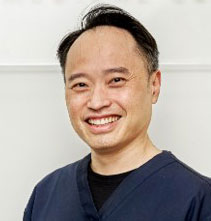
Dr Tan Kok Kuan
Men’s Health & Sexual Health Doctor
MBBS (S’pore), Cert. Men’s Health, Cert. Clinical Dermatology,Member, Academy for Men’s Health (Singapore)Member, Singapore Association for the Study of ObesityMember, International Society of Sexual Medicine
Testosterone is a hormone that plays a central role in your body’s day-to-day functions. It influences your energy levels, mood, strength and overall sense of well-being. When levels begin to decline, you may experience a gradual impact on your quality of life.
Many men with low testosterone consider testosterone replacement therapy (TRT), a medically guided treatment designed to restore hormone levels to a healthy range. By addressing the underlying hormonal imbalance, TRT may help relieve symptoms and support better physical and mental performance.
Understanding how testosterone works, how low levels affect the body and how TRT restores balance is key to making informed decisions about your care.
How Does Low Testosterone Affect Men?
Testosterone is the primary male sex hormone responsible for regulating a range of physical and mental functions. It plays a key role in maintaining energy levels, libido, muscle mass, mood and overall vitality. When testosterone levels fall below the normal range, these functions can become disrupted, leading to noticeable changes in daily performance and well-being.
- Fatigue: Low testosterone can lead to persistent tiredness, reduced motivation and a general decline in energy levels even with adequate rest, making it harder to stay active and focused throughout the day.
- Reduced libido and sexual function: A drop in testosterone often results in decreased sexual desire. Some men may also experience difficulty achieving or maintaining erections due to the role of testosterone in supporting blood flow and penile tissue health.
- Muscle and bone loss: Lower testosterone levels can contribute to reduced muscle mass, strength and physical performance. Over time, it may also lead to decreased bone density, increasing the risk of fractures.
- Mood and cognitive changes: Men with low testosterone may experience mood swings, irritability or low mood. Some may also notice difficulty concentrating or mild memory issues.
What Causes Low Testosterone?
Low testosterone can develop due to a combination of natural ageing, underlying medical conditions and lifestyle factors. Testosterone levels gradually decline with age, but certain health issues such as obesity, diabetes or hormonal disorders can accelerate this process. Lifestyle habits such as poor sleep, chronic stress, lack of exercise and excessive alcohol consumption may also contribute to reduced testosterone production.
How Testosterone Replacement Therapy Restores Hormonal Balance
Testosterone replacement therapy works by supplementing the body with testosterone when natural production falls below healthy levels. By restoring hormone levels to a normal range, TRT could help re-establish balance across key bodily functions such as energy, libido, muscle maintenance and mood regulation.
The treatment is tailored based on your individual hormone levels, symptoms and medical profile. A doctor will determine the most suitable method of delivery to ensure consistent absorption and effective results while monitoring your response over time.
Oral Testosterone
This form of therapy involves taking testosterone in tablet form, either swallowed or absorbed through the gum or inner cheek. It offers a convenient option for some patients, though absorption and suitability may vary.
Topical Testosterone
Topical treatments include gels, creams or patches applied directly to the skin, typically on the arms, shoulders or thighs. Testosterone is absorbed through the skin into the bloodstream, providing steady hormone levels with daily use.
Injectable Testosterone
Testosterone can be administered via injections into the muscle or under the skin. Depending on the formulation, injections may be given weekly or at longer intervals, offering a controlled and reliable method of delivery.
Testosterone Pellets
Pellets are small implants inserted beneath the skin, usually in the hip or buttock area. They slowly release testosterone over several months, providing a longer-term solution without the need for frequent dosing.
What to Expect During Testosterone Replacement Therapy
Testosterone replacement therapy is a structured, medically supervised process designed to ensure both safety and effectiveness. From diagnosis to ongoing care, it comprises multiple steps that are tailored to your individual needs and response to treatment.
Initial Consultation and Assessment
Your doctor will begin with a detailed discussion of your symptoms, medical history and lifestyle factors. This helps determine whether low testosterone may be contributing to your concerns and whether further testing is appropriate.
Blood Tests and Diagnosis
Doctors typically conduct blood tests that measure your testosterone levels. Additional tests may be performed to assess overall health and identify any underlying conditions. If you are diagnosed with low testosterone, then your specialist will proceed to the next step.
Personalised Treatment Plan
If TRT is suitable, your doctor will recommend a treatment plan based on your hormone levels, symptoms and preferences. This includes selecting the most appropriate delivery method and dosage to achieve stable, healthy testosterone levels.
Monitoring and Adjustments
Regular follow-up appointments are essential to track your progress. Blood tests and symptom reviews allow your doctor to adjust dosage if needed and ensure hormone levels remain within a safe range.
Improvements are usually gradual. Some men may notice changes in energy and mood within a few weeks, while benefits such as improved muscle mass, libido and overall vitality may take a few months to become more apparent. Consistent treatment and monitoring are key to achieving optimal results.

Regaining Healthy Hormone Levels with Medically Guided TRT
Testosterone replacement therapy is often effective in restoring hormone levels to a healthy range, helping to improve symptoms and support better long-term function when guided by proper medical care. However, not all instances of low testosterone can be resolved with this treatment method. This is why a proper clinical evaluation, supported by blood testing and medical assessment, is essential to determine whether TRT is appropriate and to ensure safe, effective treatment.
Men's health clinic in Singapore focusing on various conditions, including low testosterone. Patients are guided through structured assessments that take their various needs and circumstances into account, while ensuring that treatment decisions are accurate and clinically appropriate. Under the care of Dr Tan Kok Kuan, our men’s health & sexual health doctor, patients benefit from focused expertise in men’s health, with access to comprehensive evaluation, testosterone replacement therapy and ongoing monitoring.
If you are experiencing symptoms of low testosterone, seeking medical advice early can provide clarity and direction. Contact us today to arrange a consultation and take the next step towards restoring your energy, performance and overall wellbeing.
Our Doctor
Our Doctor
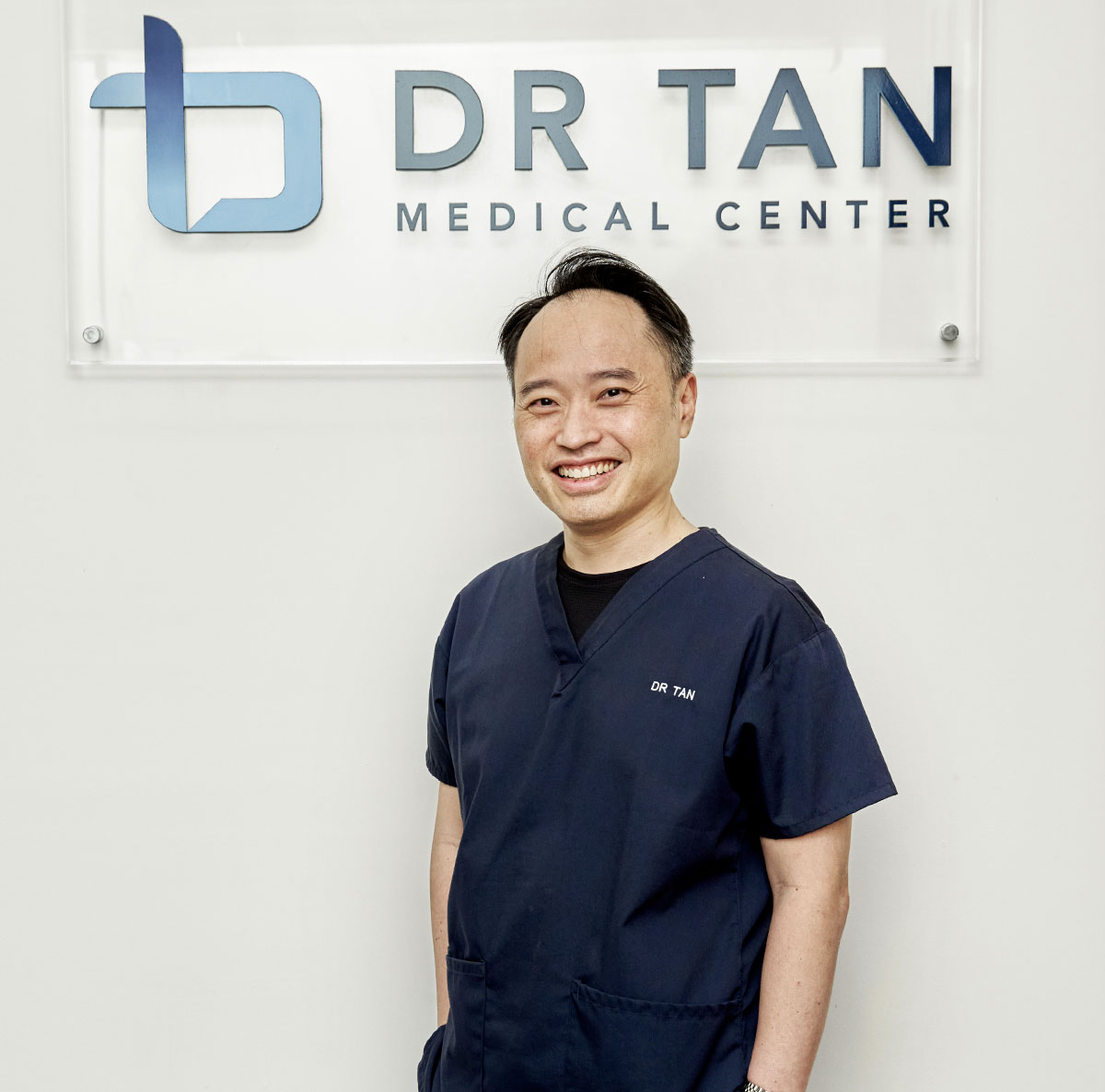
Dr Tan Kok Kuan
Men’s Health & Sexual Health Doctor
MBBS (S’pore), Cert. Men’s Health, Cert. Clinical Dermatology,Member, Academy for Men’s Health (Singapore)Member, Singapore Association for the Study of ObesityMember, International Society of Sexual Medicine
Dr Tan Kok Kuan is an experienced doctor specialising in men's health, sexual health and medical weight loss. With over 20 years of clinical experience, he offers confidential and effective screening and treatment services. Notably, Dr Tan was one of the key authors of Singapore’s National HIV PrEP Guidelines and the national blueprint to end HIV transmission by 2030. Dr Tan frequently speaks at local and international conferences and has been featured in the media, where he helps raise public awareness around men’s health and sexual health.
“Every patient deserves our fullest attention.”

10 Sinaran Drive #09-30, Novena Medical Centre, Singapore 307506
Tel: (+65) 6513 0359 | WhatsApp: (+65) 9750 5037
Operating Hours:
Monday to Friday: 8:30 AM to 6:30 PM
Saturday: 9:00 AM to 2:00 PM
Closed on Sundays and Public Holidays


